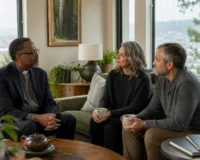
Finding Spiritual Comfort at Home in Portland
Serious illness brings up big feelings. Fear, anxiety, sadness, and even a sense of isolation can show up for both the person who is sick and the people who love them. When health changes, many families in Portland want more than medical support. They want comfort for the heart and mind too, right where they live.
That is where hospice spiritual counseling in Portland can help. This kind of care is not only about religion. It supports whatever gives a person meaning and strength. It can include prayer, but it can also be about nature, family, memories, or simple quiet. At Vista River Hospice, we are locally owned and serve the Portland and Salem areas. We bring gentle, personalized spiritual support into the home, honoring each person’s beliefs, values, and life story.
What Hospice Spiritual Counseling Really Means
Hospice spiritual counseling in Portland is for everyone. It is for people with a strong faith, people who connect with more than one faith, people who feel spiritual but not religious, and people who do not connect with religion at all. The focus is on what matters to you, not on a set of rules or doctrine.
Common goals of hospice spiritual counseling include:
- Exploring questions about purpose and what life has meant
- Looking back over important memories and relationships
- Supporting forgiveness, both of others and of self
- Talking about hopes, fears, and what brings peace now
- Offering calm, nonjudgmental listening
As the end of life nears, many people feel guilt, anger, or fear of death. A spiritual counselor creates a safe place to say those things out loud. Sometimes just having someone sit and listen without trying to fix anything helps ease the weight people carry.
Spiritual counselors are part of the hospice team. Alongside nurses, social workers, massage therapists, volunteers, and bereavement staff, they help care for the whole person. We talk together as a team so we can:
- Understand what is most important to the patient and family
- Match spiritual support with emotional and physical needs
- Respect cultural, spiritual, and personal boundaries
- Keep care consistent from visit to visit
How Spiritual Counselors Support Families at the Bedside
Spiritual care is not only for the person who is ill. Families at the bedside often need just as much support. When someone is very sick, it can be hard to know what to say or how to act. A spiritual counselor can help everyone feel more grounded.
For families, spiritual counselors can:
- Support honest, caring conversations between loved ones
- Help family members name and process anticipatory grief
- Offer tools for handling disagreements or tough choices
- Sit with people who feel overwhelmed or numb
In the home, spiritual care is gentle and flexible. Common practices include quiet presence, guided reflection, and simple rituals that match the person’s wishes. A visit might include:
- Sitting together in silence, offering calm presence
- Reading a poem, prayer, or passage that feels meaningful
- Playing soft music that the patient enjoys
- Leading a short prayer or meditation, only if wanted
- Lighting a candle or creating a small space with special items
Some days, a short check-in is enough. Other days, longer visits make sense as emotions run high or more support is needed. Summer family gatherings, holidays, or meaningful dates can stir up strong feelings. Spiritual counselors can adjust visit length and focus as needs shift.
Respecting Diverse Beliefs in Portland Homes
Portland is known for its mix of beliefs and worldviews. In one day, a spiritual counselor might visit someone rooted in a long faith tradition, then someone who finds comfort in nature, then someone who does not believe in any higher power but cares deeply about family and kindness.
Our spiritual counselors are trained to meet people where they are. Care is tailored in many ways, such as:
- Working with the patient’s own pastor, priest, rabbi, imam, or other spiritual leader
- Including nature-based practices, like focusing on rivers, trees, or the sky
- Honoring cultural traditions around food, music, or end-of-life customs
- Focusing on values, stories, and relationships rather than formal beliefs
Hospice spiritual counseling in Portland does not push religion or a certain view of death. The patient and family decide what is welcome and what is not. We follow your lead on:
- Language and words that feel safe
- Rituals you do or do not want
- Who is in the room during visits
- How often spiritual support is offered
Our role is to support, not to direct. Your comfort and boundaries guide every step.
What to Expect From in-Home Spiritual Visits
Many people feel unsure about what will happen when a spiritual counselor comes to their home. The first visit is usually relaxed, with no pressure to say or do anything a person does not want to.
A typical first visit often includes:
- Simple introductions and time to get to know each other
- Listening to the patient’s story, background, and what matters most now
- Gentle questions about beliefs, values, fears, and hopes
- Asking what kind of support feels helpful and what does not
- Agreeing together on what future visits might look like
Visit frequency and length are based on the patient’s and family’s needs. Some prefer a steady, weekly rhythm. Others ask for visits only when things feel heavy. People can always:
- Change how often spiritual visits happen
- Pause visits for a while
- Request extra support around anniversaries, birthdays, or summer reunions
Spiritual counselors also stay in close touch with the rest of the hospice team. Without sharing private details that a patient wants kept confidential, we can still let nurses, volunteers, or bereavement staff know about general needs. This kind of teamwork helps care feel steady and compassionate.
Continuing Support Through Grief and Beyond
Spiritual care does not always end when a loved one dies. For many families, the weeks and months after a loss are when spiritual questions and deep emotions rise to the surface.
Ongoing support may look like:
- Follow-up phone calls to check in
- Grief groups where people can share and listen
- One-on-one spiritual or emotional support
- Ideas for simple rituals to remember a loved one at home
The first summer after a death can be especially tender. Longer days, neighborhood events, and family plans sometimes highlight the empty space where a loved one used to be. Spiritual counselors can help families:
- Make space for both joy and sadness at the same time
- Create personal ways to honor the person who died
- Talk through changes in family roles and traditions
- Find small moments of meaning, even during hard days
At Vista River Hospice, we are committed to walking with families for months after a loss. Grief is not something people “get over” by a certain date. Our goal is to support people as they learn to carry their grief, find new meaning, and keep their loved one’s legacy alive in daily life.
Find Comfort and Guidance for Mind, Body, and Spirit
If you or a loved one could benefit from compassionate support that honors your beliefs and values, we are here to help. At Vista River Hospice, our team provides personalized hospice spiritual counseling in Portland to bring comfort, meaning, and connection during this time. We take the time to listen, answer questions, and walk alongside you and your family. To talk with our team about next steps, please contact us today.