Grief can make even the most familiar parts of Portland feel different. A walk along the river, the sound of rain on the windows, or a drive over one of the ...
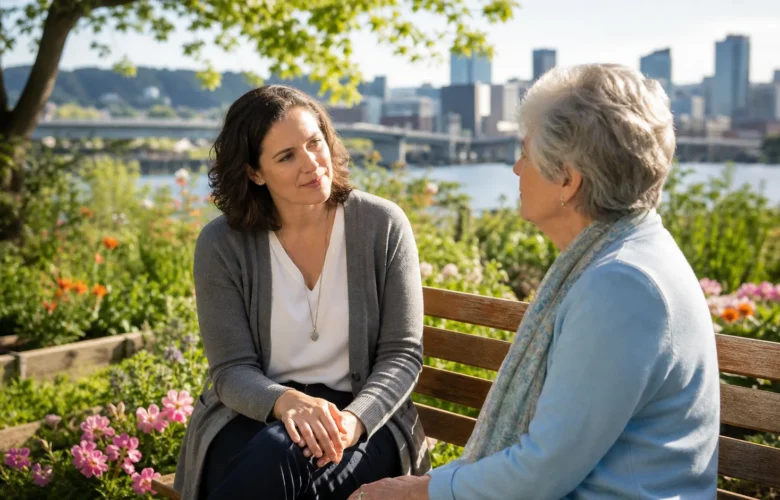

Serious illness does not just hit the body; it hits everything around it. One day a family in Portland can be focused on school, work, and weekend plans. The...
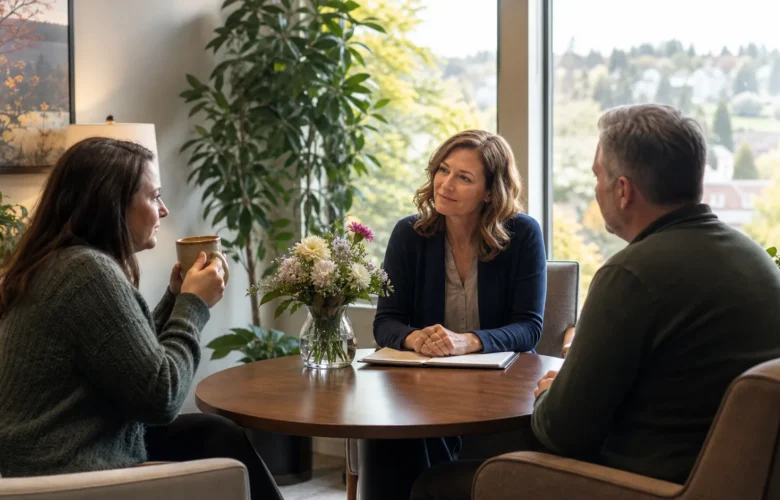
Early grief counseling in Salem, Oregon, can help families say goodbye with more calm and less regret. When someone we love is very sick, it is common to wai...

How Social Workers Turn Overwhelm Into a Plan

When someone you love dies, even if you knew it was coming, the first days can feel unreal. Many people describe feeling numb, scattered, or like they are mo...
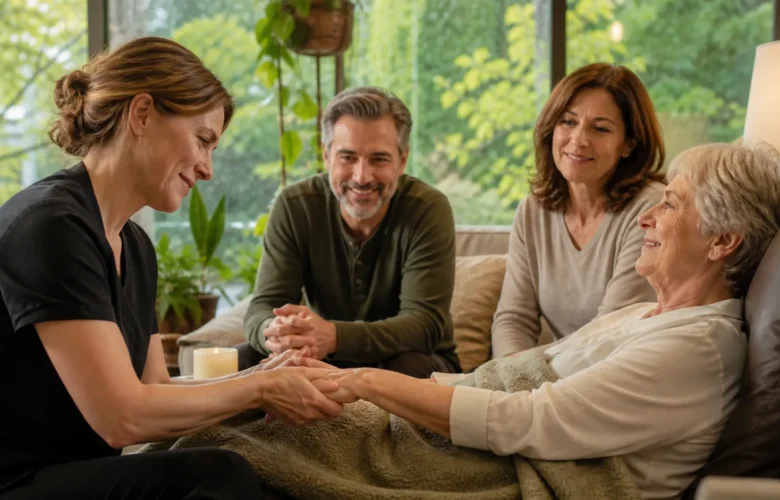
When someone you love is very sick, small comforts start to matter a lot. A soft blanket, a quiet room, a warm hand on a tired shoulder can feel like a deep ...
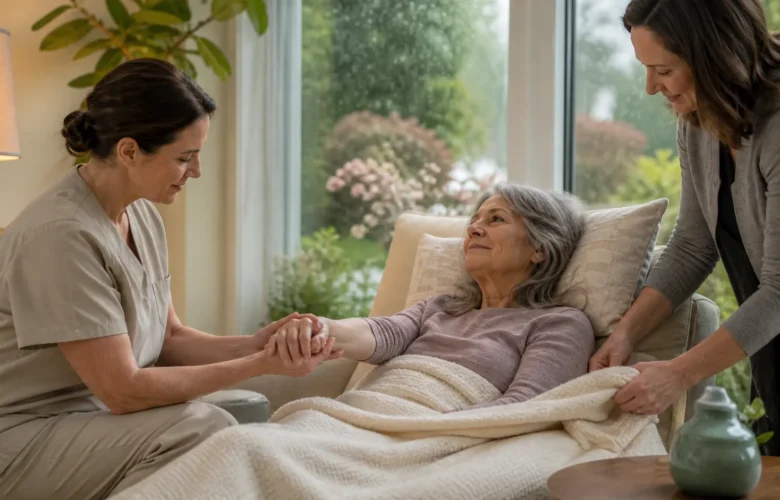
Caring for someone at home near the end of life can feel heavy. There are doctor visits, new medications, changes in mood and sleep, and the quiet worry that...
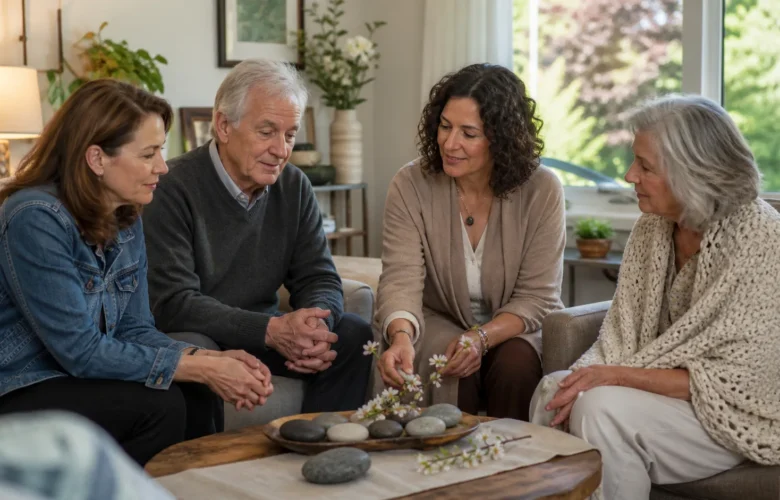
Planning Salem hospice spiritual counseling around family visits can feel hard. People are flying in, juggling work, school, and busy calendars. The weather ...
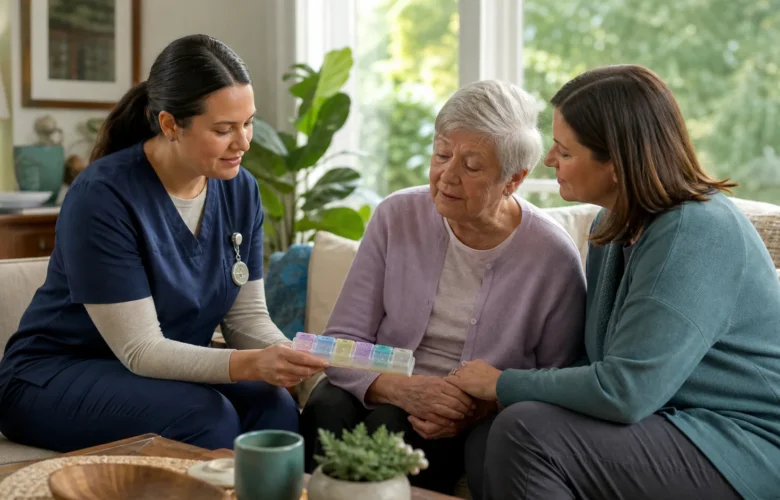
Starting hospice can feel heavy. Families in Portland, Salem, and nearby towns often worry most about pain. Will their loved one suffer? Will pain medicine m...
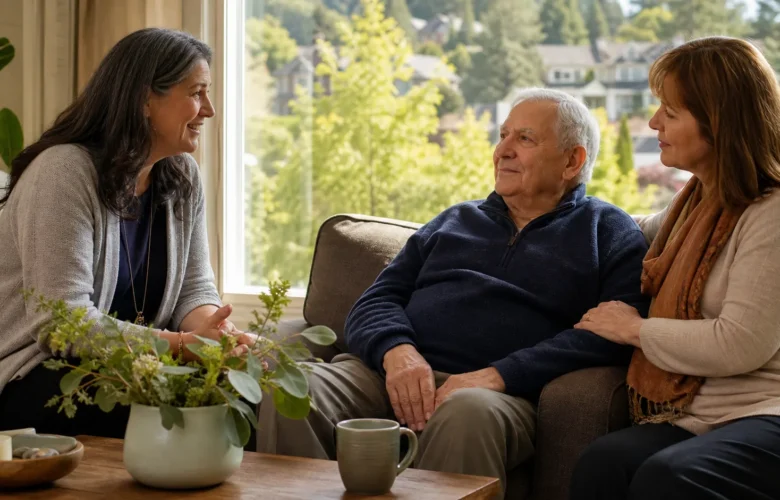
When someone you love is facing a serious illness at home, questions about meaning, faith, and what comes next can feel much louder. Shorter days, gray skies...