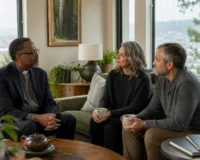
How Spiritual Care Brings Comfort Close to Home
Spiritual care in hospice is about helping people feel more at peace inside, whatever they believe. It is support for the heart and spirit at the end of life, not only for people who are religious. Some families want prayer, others want quiet conversations about meaning, and some prefer simple presence and calm.
In the Salem area, families come from many backgrounds. Some live in town, some on farms, some in multigenerational homes where grandparents, parents, and kids share the same roof. Summer can bring more family visits and outdoor time, which often leads to deeper talks about life, legacy, and what comes next. Spiritual care can help those talks feel safer and more gentle for everyone.
Understanding Hospice Spiritual Care in Salem
A hospice chaplain or spiritual counselor is there to support the whole person. This support can include:
- Listening to life stories and important memories
- Talking about values, regrets, hopes, and fears
- Offering prayer or readings, if wanted
- Sitting in quiet companionship when words are hard
Spiritual care is not just religious care. It can fit many paths, including Christian, Jewish, Buddhist, Indigenous, secular, or mixed-belief families. Some families are very clear about their faith. Others have people with different beliefs under one roof. The chaplain’s job is to honor all of that, without pushing any one way.
At Vista River Hospice, spiritual care is part of the wider team effort. The chaplain works with nurses, social workers, and home health aides so care feels connected. For example, a nurse might share that someone is having trouble sleeping because of worry, and the chaplain can help them talk through that worry or offer a calming practice. This kind of teamwork helps support the person’s body, mind, and spirit together.
Who to Ask and How to Request Spiritual Support
Many families are not sure how to bring up spiritual care. They might feel shy, or worry that their beliefs are too different. It can actually be very simple to ask.
You can request spiritual care by:
- Mentioning it during the hospice admission visit
- Telling the nurse or social worker during a regular visit
- Calling the hospice office and saying you would like chaplain support
If the words are hard to find, simple phrases work well, such as:
- “We would like help with spiritual and emotional support.”
- “Can we meet with the chaplain?”
- “We are not religious, but we could use someone to talk to.”
Spiritual care is flexible. You can ask for it at the start of hospice or later on, when things feel heavier. Some families prefer visits around key moments, like birthdays, anniversaries, or when relatives are in town in late summer. It is okay to ask for a single visit, regular visits, or support just during a certain season of life.
What Really Happens on the First Spiritual Care Visit
Many people feel nervous before the first chaplain visit because they do not know what to expect. The first visit is usually gentle and very simple.
A typical first visit might include:
- A friendly greeting and a quick check that now is a good time
- Asking who should be in the room: just the patient, or family too
- A short explanation of the chaplain’s role and what they can offer
- Open questions about beliefs, hopes, fears, and what brings comfort
The chaplain may ask things like, “What has helped you through hard times before?” or “What gives you peace?” They might listen to stories about childhood, work, or family. They may explore what matters most in this season of life.
Common things that may happen on this visit include:
- Listening more than talking
- Offering prayer, blessings, or readings if asked
- Sharing music, poetry, or simple breathing exercises
- Helping name immediate worries, like fear of being a burden or fear of pain
If someone is very tired, the visit can be short and quiet. The chaplain will not pressure anyone to pray or follow a certain religion. The goal is comfort and respect, not persuasion.
Personalizing Spiritual Care for Your Family’s Beliefs
Spiritual care works best when it feels like it truly belongs to your family. The chaplain will often ask what kinds of practices matter to you. You can share as much or as little detail as you like.
Some ways families personalize spiritual support include:
- Requesting specific prayers, blessings, or scripture passages
- Asking for non-religious options like mindfulness or guided imagery
- Including favorite hymns, poems, or songs from family traditions
- Using silence and presence instead of words, if that feels right
In the Salem area, many people feel connected to the land and the outdoors. If it fits the person’s health and home setting, spiritual care might include:
- Sitting outside on a porch or in a yard
- Focusing on the sound of wind in the trees or birds nearby
- Offering a short blessing that honors the natural world
Late summer and early fall can be a meaningful time for special moments, such as:
- A simple backyard remembrance with close family
- A bedside blessing before a big family get-together
- A life-story conversation while relatives are visiting from out of town
The chaplain can help plan these moments so they feel calm and thoughtful instead of rushed or stressful.
Supporting Caregivers and Kids Through Spiritual Care
Spiritual care is not only for the person who is ill. Spouses, partners, adult children, and other caregivers often carry a lot of stress and quiet grief. They may feel guilty, exhausted, angry, or numb. Having a safe person to talk with can make a real difference.
For caregivers, the chaplain might:
- Listen to worries and hard feelings without judgment
- Talk about simple daily practices that bring a sense of grounding
- Offer words or rituals that mark small losses and small joys
Kids and teens need special care too. Many adults are unsure how to talk to children about serious illness and death. A chaplain can help parents or grandparents find words that are honest but gentle. For younger kids, this might involve stories, drawings, or talking about changes in nature to explain life cycles. For teens, it may look more like open talks about anger, fear, or confusion.
Spiritual care can give the whole family a shared language for grief and love. It can help each person feel seen, even when they are coping in different ways.
Next Steps to Start Spiritual Care with Vista River Hospice
If your family is receiving hospice support in the Salem area and you feel ready for spiritual help, a simple next step is to talk together about what you need. You might make a short list of questions, such as, “What brings us comfort?” or “What would we like help talking about?” Then you can mention spiritual care at the next visit with the nurse or social worker, or ask for a chaplain visit through the hospice office.
For many families, hospice spiritual care in Salem brings more peace, clearer communication, and meaningful shared moments in the final season of life. At Vista River Hospice, we are a locally owned team serving Portland, Salem, and surrounding Oregon communities, and we see every person’s beliefs as worthy of respect. Spiritual care is one more way we walk beside you, so you do not have to carry the hardest questions alone.
Find Compassionate Support For Your Spiritual Journey
If you or a loved one is seeking guidance, comfort, and meaning during this season of life, we are here to walk alongside you. At Vista River Hospice, our team provides personalized hospice spiritual care in Salem that honors your beliefs, values, and traditions. We will listen to your story, coordinate with your faith community if you wish, and help create moments of peace for you and your family. To talk with our team about next steps or schedule a visit, please contact us.