Making Room for Spiritual Peace During Family Visits
Planning Salem hospice spiritual counseling around family visits can feel hard. People are flying in, juggling work, school, and busy calendars. The weather starts to change, days get shorter, and emotions can feel heavier. On top of all that, everyone wants to make the most of whatever time is left together.
With a little thought and support, those visits can become more than a rush of errands and quick hugs. They can turn into calm, meaningful moments, filled with shared reflection, prayer, quiet presence, or simple loving silence. Hospice spiritual counseling at home in the Salem area is flexible. It can shape itself around your family’s beliefs, culture, and traditions, whether you follow a faith, several faiths, or no formal path at all.
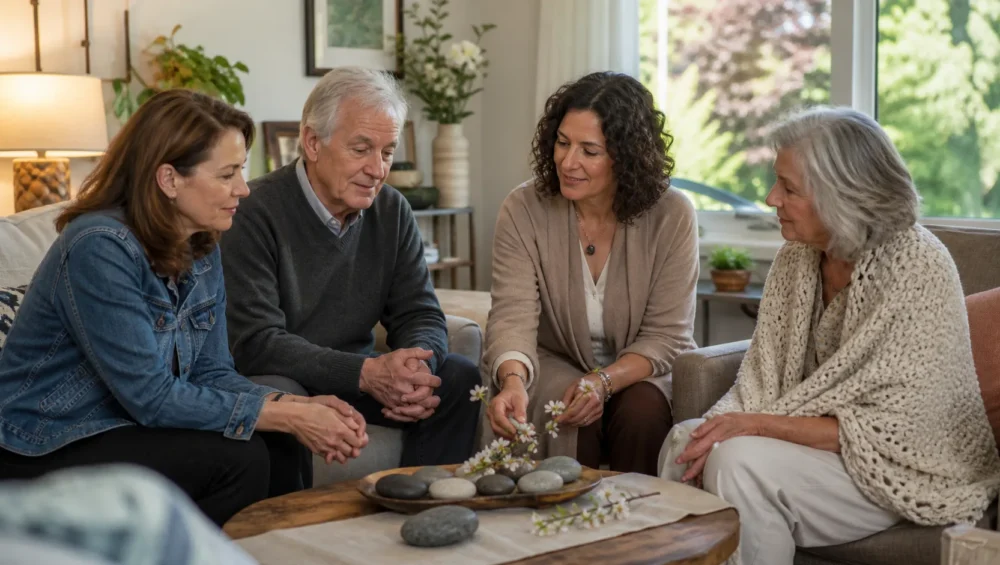
At home, spiritual counseling might look like a chaplain sitting by the bedside with a soft voice and a short reading. It might be a group blessing in the living room, or gentle one-on-one talks in a corner of the house. The point is not to force anything. The point is to create space for peace, honesty, and connection in the middle of a very tender time.
What Hospice Spiritual Counseling Can Offer Your Family
Hospice spiritual counselors, often called chaplains, are part of the care team to support both patients and families. Their role is not to preach. It is to listen, to walk alongside you, and to hold space for the big questions that come when someone you love is near the end of life.
Spiritual counseling can help your family with:
- Meaning-making and life review
- Gentle rituals and blessings
- Coping with anticipatory grief
- Conversations about hope, fear, and what matters most
Support is available no matter what you believe. Some families are rooted in one tradition. Others describe themselves as spiritual but not religious. Some feel unsure about what they believe at all. A good hospice spiritual counselor can respect all of that and will never push a certain viewpoint.
Sessions can include:
- Guided conversations about memories and values
- Readings from sacred texts, poetry, or favorite books
- Simple prayers or blessings, if desired
- Quiet companionship when words are hard
These moments can be especially comforting around seasonal milestones, like when kids are on school break or when the family usually gathers. Those natural pauses in the year can give everyone a chance to slow down and be present together.
Coordinating Visits and Sessions in Salem and Nearby
Families around Salem, Portland, and nearby communities often work around busy schedules and travel plans. It helps to bring the hospice team into that planning early, so spiritual counseling can be woven into the visit instead of squeezed in at the last minute.
Some practical ideas:
- Share a simple family calendar with the hospice team so everyone knows who will be in town
- Plan spiritual counseling visits before or after big family gatherings, not right in the middle
- Leave buffer time for rest so the patient is not worn out by too much activity
Out-of-town relatives may only have a few days. Kids may only be free during school breaks. Weather and travel can shift plans. Spiritual counselors can work with you to:
- Cluster visits when multiple relatives are in town
- Stagger shorter sessions across a few days
- Offer smaller, focused visits for those who need private time with the patient
The goal is to respect both the patient’s energy level and each person’s desire for connection. With thoughtful scheduling, even a short visit can hold deep meaning.
Honoring Traditions and Diverse Beliefs at the Bedside
Many families carry a rich mix of cultural, religious, and seasonal traditions. Salem hospice spiritual counseling can help you bring those traditions to the bedside in a gentle, natural way.
You might choose to:
- Light a candle or display meaningful objects near the bed
- Listen to a favorite hymn, song, or piece of music together
- Read a passage from a sacred text or a loved story out loud
- Share a simple blessing before a family meal in the home
Sometimes, family members do not all see faith and spirituality in the same way. A spiritual counselor can help create inclusive rituals, using words and symbols that feel comfortable for everyone. That might mean offering a moment of silence instead of formal prayer, or wording blessings in a way that focuses on love, gratitude, and peace.
Autumn and early winter can also open the door to gentle conversations about change and letting go. The falling leaves, the cooler air, and the longer nights can become a natural backdrop for talking about:
- Gratitude for shared years
- Hopes for how the family will carry on traditions
- The legacy the patient wants to leave
These talks do not have to be heavy. They can be short, calm, and woven into ordinary moments like sharing tea or looking out a window together.
Supporting Children and Teens During Seasonal Gatherings
Children and teens often sense more than adults realize. Including them in spiritual counseling, in age-appropriate ways, can help them feel less alone and confused.
Some simple ways to include younger family members are:
- Short memory projects, like drawing pictures or writing down favorite stories
- Making a small “gratitude list” about the person who is ill
- Brief blessings with clear, simple language
- Art or music activities that let kids express feelings without pressure
Preparing them before a visit also matters. Spiritual counselors can help parents and caregivers find words to explain what a hospice visit might look like, how the patient may have changed, and what is okay to ask or say.
During school breaks or family gatherings, you might create new rituals that honor the patient and comfort younger relatives, such as:
- A “gratitude circle,” where each person shares one memory or thanks
- Memory ornaments or small keepsakes, created together
- A shared playlist of the patient’s favorite songs to play during visits
These small acts can help kids and teens feel included, loved, and supported, rather than left out of the hard parts.
Preparing Emotionally for the Visit and the Goodbye
For many families, the hardest part is knowing how to say goodbye, or even when to say it. Spiritual counseling can offer a gentle structure for those moments, so you are not trying to find the right words all on your own.
Counselors may suggest:
- Guided reflection, where the patient and family share what has mattered most
- Letter writing, for those who find it easier to write than to talk
- Recorded messages, when the patient or family wants to leave something lasting
These tools can help with unsaid words, forgiveness, and simple expressions of love and appreciation. They do not have to be perfect. Often, the most healing words are plain and honest: “Thank you,” “I love you,” “I am sorry,” “I forgive you.”
After the visit ends and relatives go back home, feelings can shift again. Some people feel relief, others feel guilt or sadness, often a mix of many emotions. Ongoing spiritual support can include:
- Follow-up visits or calls to check in on how everyone is coping
- Space to talk about the visit itself, what felt good and what felt unfinished
- Information about grief support resources for the weeks and months ahead
Planning Salem hospice spiritual counseling around family visits is not just about timing. It is about creating a gentle frame around a fragile, holy time, so that each person has room to feel, to speak, and to be held with care.
Find Comfort and Guidance Through Holistic End-of-Life Support
If you or a loved one is facing a serious illness, our team at Vista River Hospice is here to offer compassionate care for the body, mind, and spirit through Salem hospice spiritual counseling. We take time to listen, honor your beliefs, and support your family through difficult decisions and emotional transitions. When you are ready to talk about the support you need, please contact us so we can walk alongside you with respect and understanding.