Gentle Comfort When Salem Families Need It Most
Caring for a loved one at home is hard work, especially when pain is part of every day. In many Salem homes, spring can feel bittersweet. Kids are getting ready for school breaks, the weather is nicer, and there is more going on outside, yet inside the house someone you love may be struggling to get comfortable in bed or in a favorite chair.
That kind of ongoing pain is exhausting for everyone. Family members may lose sleep, worry about giving medications the right way, or feel helpless when nothing seems to bring relief. It can be easy to think pain control means only stronger medicines or more pills.
Hospice care offers a wider picture. Hospice pain management in Salem can include nurse-led comfort care and licensed massage therapy, working together with medications. In this article, we will talk about when to ask about massage, when nurse-led comfort care is the better fit in the moment, and how both approaches can be blended to bring more peace at the end of life.
What Hospice Pain Management in Salem Really Means
Hospice is all about comfort and quality of life. It does not try to cure the illness, but it does aim to ease suffering in as many ways as possible. That includes physical pain, but also emotional and spiritual distress that can make pain feel worse.
A hospice team in Salem works with patients and families to build a personal plan. This plan looks at what matters most to the person, what type of pain they have, and how they respond to different kinds of support. The goal is steady, gentle relief that still allows for connection, conversation, and meaningful moments.
Hospice pain management in Salem usually includes a mix of tools, such as:
- Medications for pain, shortness of breath, and other symptoms
- Regular nurse assessments to understand what is changing
- Non-drug comfort measures like repositioning, heat, cold, or relaxation
- Licensed massage therapy when it is safe and appropriate
- Emotional and spiritual support to ease fear and worry
Many families worry that hospice will overmedicate or sedate their loved one. Hospice nurses are trained to avoid that. They look for the lowest effective dose, then add non-medication options such as massage, guided breathing, or calming routines to support both comfort and clarity as much as possible. Medicine is often necessary, but it rarely has to be the only answer.
Nurse-Led Comfort Care: The First Line of Support
Hospice nurses do much more than give medications. At the bedside, they are steady guides. They listen to how pain feels, watch how the body moves, and notice small changes that can show when something is getting worse or when a different approach is needed.
Nurses often:
- Check pain levels and other symptoms on each visit
- Adjust medications with the hospice medical provider when needed
- Teach families how and when to give medicines safely
- Watch for side effects like constipation, confusion, or heavy drowsiness
Along with this medical side, there is also hands-on comfort care. Nurses and aides may help with:
- Gentle repositioning in bed or chair to ease pressure points
- Skin care and mouth care to prevent soreness and dryness
- Cool cloths, warm blankets, or soft pillows for extra comfort
- Quiet, low light, and reduced noise to calm the space
- Simple, guided breathing or relaxation to help the body release tension
Nurse-led comfort care is usually the best first step when:
- Pain is new, suddenly worse, or sharp and hard to describe
- Pain seems to affect breathing, talking, or moving even a little
- There are signs of infection, like fever or sudden weakness
- There is severe nausea, trouble breathing, or chest discomfort
In those times, massage alone is not enough and can even be unsafe until a nurse checks things out. Nurses are the safety net who decide when more medical intervention is needed and when it is safe to add or adjust other comfort tools.
When Massage Therapy Can Ease End-of-Life Pain
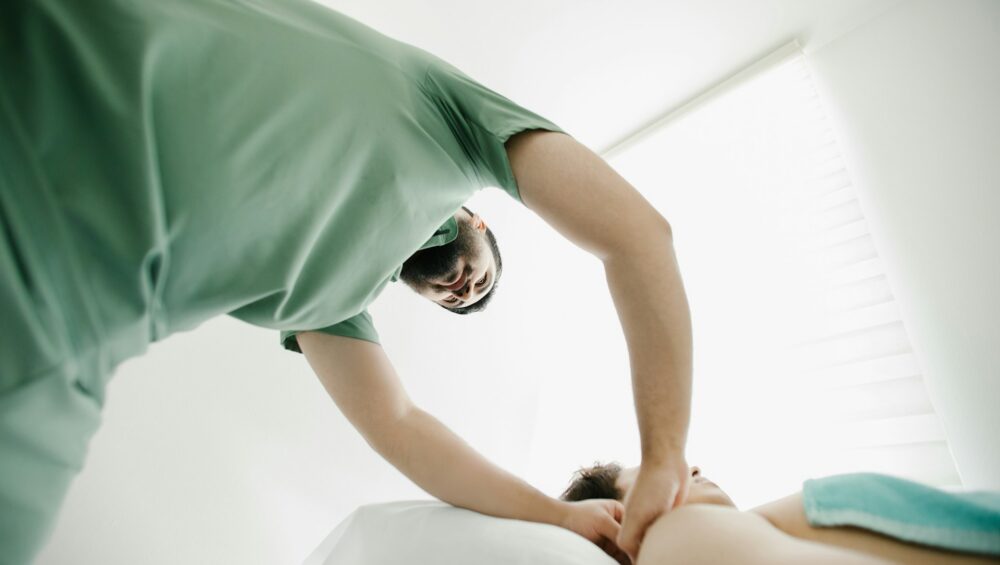
Hospice massage is gentle and slow. It is not a deep, strong pressure like a spa massage. The touch is tailored to fragile bodies and medical needs. Sessions may be shorter, with careful attention to tubes, oxygen lines, fragile skin, or joints that do not move well.
Families might want to ask about massage therapy when:
- There is ongoing muscle tension or stiff shoulders and back
- The person seems restless but does not have clear new pain
- Relaxing into sleep is hard, even when medicines are on board
- Anxiety shows up as tight hands, clenched jaw, or fidgeting
- The person misses kind, caring human touch
Season changes, including spring and summer, can bring more body stiffness for some people. Different daily routines, more time sitting in one spot, or seasonal discomforts can make gentle massage feel especially soothing.
Massage can offer benefits that go beyond pain relief, such as:
- Deeper relaxation and easier breathing
- A calmer nervous system
- Slightly improved circulation and warmth in hands and feet
- Quiet moments of emotional connection and presence
It is important to remember that massage is not meant to replace nurse-led care or medications. It works alongside them. When combined in a thoughtful way, massage can help medications work better and can help the whole person, not just the painful area.
Choosing Between Massage and Nurse-Led Care in the Moment
Families often ask which comfort option they should choose at a given time. A simple guide can help:
Call the nurse first when:
- Pain is new, sharper, or very different from usual
- The person looks distressed, cries out, or cannot get comfortable at all
- Breathing changes suddenly, with gasping or tightness
- There is a sudden change in alertness or confusion
Think about massage when:
- Pain feels familiar and stable, such as a long-term sore back
- The main problem seems to be muscle tightness, not medical crisis
- The goal is relaxation, rest, and gentle connection
- Medicines are already in place, but tension lingers
Here are a couple of everyday examples:
- If a loved one always has an aching back in the evening, a nurse-approved medication plan together with a scheduled gentle massage can make that time of day easier.
- If someone suddenly grimaces when being moved, grips the bedrail, or their breathing pattern changes, it is important for a nurse to assess before any massage is started in that area.
Communication with the hospice team is key. Families can share:
- What kind of touch the person usually likes, light or more firm
- Times of day when they feel most relaxed or most tense
- Any cultural, spiritual, or personal boundaries around touch
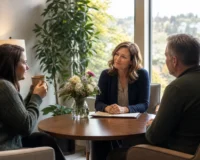
With this information, the care team can blend nursing care, massage, and spiritual or emotional support into one plan. Families are not asked to pick one right answer. Instead, the team works together to match the right support to each moment.
How Vista River Hospice Personalizes Comfort for Salem
Vista River Hospice is locally owned and serves people in Portland, Salem, and nearby Oregon communities. Because care happens where people live, we see daily routines, family traditions, and small details that matter; this helps us respect each person’s values, culture, and natural rhythms at home.
Our approach to hospice pain management in Salem brings together many kinds of helpers. Nurses, certified nursing assistants, licensed massage therapists, spiritual care providers, and bereavement support all work as one circle around the patient and family. When pain changes, when anxiety grows, or when someone simply needs a quiet hand to hold, there is a plan and a team ready to respond.
By talking openly with the hospice team about pain, massage options, and nurse-led comfort care before a crisis, families can feel more prepared. With the right mix of tools, it is possible to create more peaceful days and gentler nights for a loved one at the end of life.
Find Comfort-Focused Pain Relief for Your Loved One
If your family is looking for compassionate, expert hospice pain management in Salem, we are here to help you navigate every step with clarity and care. At Vista River Hospice, we work closely with you and your loved one to create a personalized plan that prioritizes comfort, dignity, and peace. Reach out today to talk with our team about your questions and concerns, or contact us to schedule a conversation about next steps.