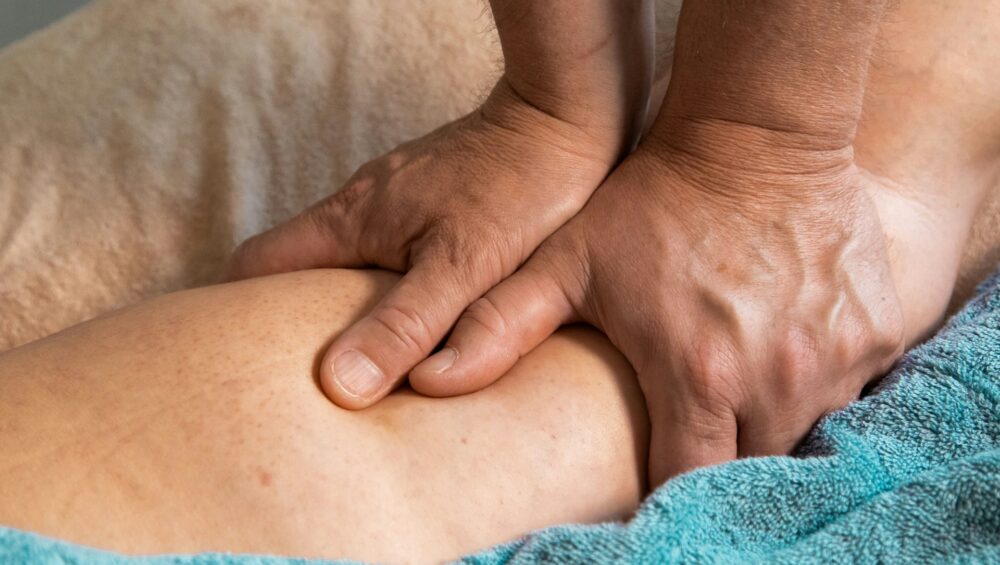
Bringing hospice massage into your home can make things feel calmer and more gentle during a very hard time. A little planning before each visit can help the person you love feel more relaxed, less anxious, and more comfortable in their own space. You do not have to make your house perfect, just safe, simple, and soothing.
In this article, we will share practical ideas for setting up a Salem-area home for hospice massage therapy visits. We will talk about choosing the right room, arranging furniture and equipment, supporting safety and comfort, and helping family members feel ready too. Our goal is to make the experience of end-of-life massage care in Salem as peaceful and respectful as possible for everyone involved.
Create a Peaceful Space for Healing Touch
A calm, uncluttered room can help the body and mind settle. When there is less noise and fewer distractions, many people feel safer and more willing to accept gentle touch.
You might try:
- Clearing extra bags, laundry, or stacks of papers from around the bed or recliner
- Putting away bright or flashing screens during the visit
- Turning phone ringers to silent or low
Hospice massage is not like a spa massage. It is gentle, comfort-focused touch that is adapted to the person’s energy level, medical needs, and pain. The goal is to support things like:
- Softening muscle tension and discomfort
- Easing restlessness and helping with sleep
- Offering a sense of connection, calm, and care
For many people receiving end-of-life massage care in Salem and nearby communities, these visits become a quiet pause in the middle of a busy care schedule. The focus is not on fixing everything, but on bringing a little more ease into the day, for both the patient and the family.
Choosing the Best Room for Comfort and Access
The best room is usually the one that is easiest and safest for the patient to get to, and roomy enough for the massage therapist and care team to move around. It does not have to be fancy.
Try to pick a space that offers:
- Easy access from the hallway or main areas
- Enough room on at least one side of the bed or chair
- Nearby access to a bathroom if possible
Homes around Salem and surrounding Oregon towns often include smaller bungalows, multi-level houses, and apartments. Each can work well with a few adjustments:
- Smaller bungalows: Move a side table or chair to open up a path around the bed.
- Multi-level homes: If stairs are hard, set up a main-floor bedroom or recliner space.
- Apartments: Slide furniture closer to walls to create a clearer path for walkers or wheelchairs.
To reduce disruptions, try to choose a room:
- Away from the loudest TV or gaming area
- Where pets can be gently guided out if they get excited or jumpy
- That has a door, curtain, or room divider to create a sense of privacy
Setting Up the Room for Safety and Ease
Safety comes first. Before a massage visit, take a slow look at the room from the doorway and ask what someone using a walker, oxygen tubing, or a wheelchair might bump into or trip over.
Some simple steps:
- Clear wide paths on both sides of the bed or chair when possible
- Keep small tables, footstools, or extra chairs out of the walking path
- Use steady, non-wobbly furniture for the person to hold onto if needed
Good lighting helps the therapist and caregivers see what they are doing. A lamp that can be turned up or down usually works better than a single bright ceiling light.
Medical equipment is part of life at home for many hospice patients. Instead of moving it far away, it often works best to:
- Place oxygen machines or IV poles where they stay stable and upright
- Run cords and tubing along the wall or under a bed where no one will step on them
- Keep the call button or bell within easy reach for the patient
Through the wet spring and other rainy seasons in Oregon, floors can get slick with water or mud brought in from outside. You can help by:
- Wiping shoes at the door and using a small mat outside the room
- Securing any rugs with non-slip backing or removing them if they slide
- Checking for damp spots near entryways and drying them before the visit
Comfort Essentials That Support Gentle Touch
Soft, clean linens can make a big difference. Thin, breathable layers are often better than heavy blankets, since the massage therapist may need to reach arms, legs, shoulders, or feet without chilling the person.
Consider:
- A light sheet or blanket that can be folded back with ease
- Extra pillows to support under knees, behind the back, or under arms
- A throw blanket handy in case the person cools down during the visit
Temperature and drafts matter, especially for fragile or sensitive skin. Closing a drafty window, adjusting the room temperature a little warmer, or having socks and a light cap nearby can help.
For sensory comfort:
- Use soft lamps or dimmable lighting instead of bright overhead lights
- Turn on quiet, slow music if the person enjoys it, and off if they do not
- Choose mild, familiar scents like unscented or very light lotions
Strong perfumes, candles, or air fresheners can sometimes cause headaches, breathing trouble, or nausea, so keeping scents gentle is usually best.
Clothing should be loose and easy to move. A soft T-shirt, loose pants, or a gown that opens in the front can give both modesty and access. Respectful draping with sheets or blankets helps the person feel safe and covered while the therapist works on one area at a time.
Helping Family and Caregivers Prepare Emotionally
Families often feel many different emotions before a hospice massage visit. There may be hope that the person will hurt less, relief that someone is coming to help, and sadness that this type of care is needed at all. All of these feelings are normal.
Family members can choose how involved they want to be:
- Sitting nearby and holding a hand
- Staying in the room quietly, reading or just being present
- Taking the time as a short break to rest, eat, or step outside for fresh air
Good communication helps everyone feel more at ease. It is very helpful to share:
- What kind of touch the person usually likes or does not like
- Any sore spots, wounds, or areas that must not be moved
- Cultural or spiritual needs, such as comfort with certain types of touch or music
The massage therapist will work with the nurse and other team members to respect these needs and adjust the session gently.
Working Smoothly with Your Vista River Care Team
Hospice massage works best when it fits into the larger care plan. At Vista River Hospice, nursing, aides, massage therapists, and spiritual care team members communicate with each other so visits are as safe and coordinated as possible.
When scheduling massage visits, families can think about:
- Times of day when the person usually feels most awake or comfortable
- Medication times, so pain medicine has had a chance to work before the session
- Regular appointments or nurse visits that might overlap
In the Salem area, weather and traffic can sometimes affect timing, especially on rainy days or when roads are busy. Building in a little flexibility and understanding around arrival times can lower stress.
After visits, it helps to notice and share how the person responded:
- Did they seem more relaxed or less tense?
- Did they sleep more easily afterward?
- Did their mood, breathing, or facial expression seem different?
Sharing this feedback with the Vista River Hospice team can guide gentle changes in future sessions, so touch continues to match the person’s needs as they change over time.
Support Comfort and Dignity in This Important Time
If you feel massage could bring relief, calm, or connection to your loved one, we are here to help guide you through the next step. Our team can walk you through how end-of-life massage care in Salem fits into a personalized hospice plan that respects your family’s values and needs. At Vista River Hospice, we take time to listen, answer questions, and coordinate care that feels right for you. Reach out to contact us and start a conversation about how we can support your family.