Finding Comfort at Home with Hospice Pain Care
Starting hospice can feel heavy. Families in Portland, Salem, and nearby towns often worry most about pain. Will their loved one suffer? Will pain medicine make them “out of it”? These are real fears, and they are common.
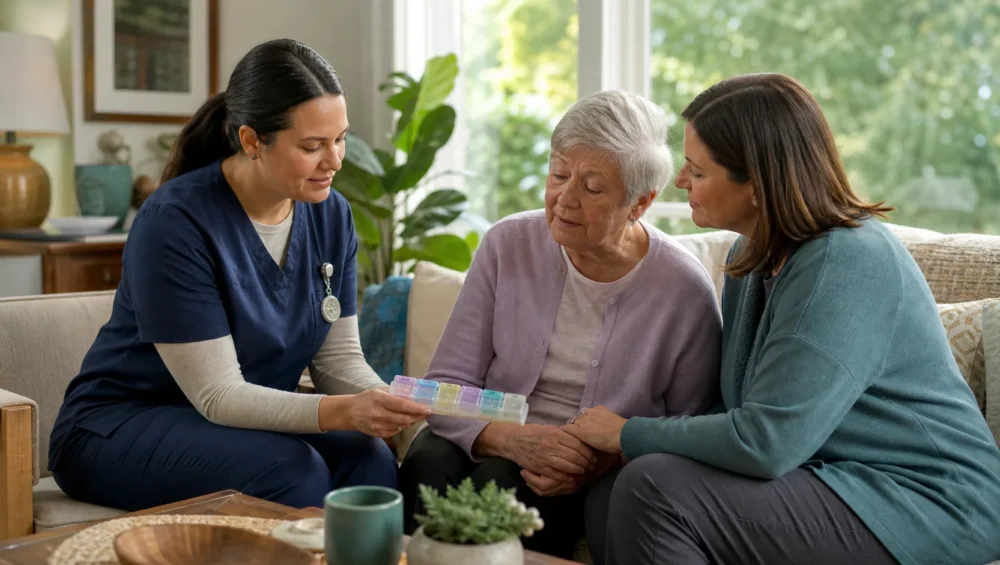
Hospice pain management in Portland and the surrounding area is really about comfort, dignity, and as much alertness as possible. It is not about giving up, and it is not about overmedicating. Care comes to the home so the person can stay in a familiar place, with their own pillow, their own window view, and the people they love close by.
When care happens at home, it can lower stress for everyone. There are fewer hard trips to clinics, less time in traffic or bad weather, and more time together. As Oregon days get cooler and wetter, being able to stay safely at home, with nurses and support coming to the door, can bring a lot of peace to both patients and families.
What Hospice Pain Management Really Means
Hospice pain care is not a single visit, and it is not a one-size-fits-all plan. It is steady, ongoing support. Day-to-day, it often includes:
- Regular nurse visits to check pain and symptoms
- 24/7 phone support so families can talk to a nurse any time
- Team updates shared with the patient’s doctor
- Adjustments to medicines and comfort tools as needs change
Pain is not only about sore muscles or sharp aches. At home, our hospice teams pay attention to many kinds of discomfort, such as:
- Physical pain from cancer, heart or lung disease, and other serious illnesses
- Shortness of breath or tightness in the chest
- Nausea, upset stomach, or poor appetite
- Anxiety, restlessness, or trouble sleeping
- Spiritual or emotional pain that can make physical symptoms feel worse
There are also many myths about hospice that can add to fear. Some families worry that hospice will speed up dying. Others think that strong pain medicine always means heavy sedation. Hospice care does not try to hasten death. Medicines are started at low doses, then slowly adjusted, with close watching for side effects. Patients are not automatically “knocked out.”
Every comfort plan is built around what the patient wants most. Some people say, “I want to be as awake as I can be, even if I have some pain.” Others say, “I want the pain as low as possible, even if I am a bit more sleepy.” Hospice teams listen and work to match the plan to those wishes, then keep checking in as things change.
Medications, Therapies, and Comfort Tools at Home
For serious illness pain, medicine is often part of the plan. Common choices can include:
- Opioid pain medicines for moderate to severe pain
- Non-opioid medicines like acetaminophen or similar options
- Anti-nausea medicines to help with queasiness
- Medicines to ease anxiety or help with shortness of breath
Medicine is only one piece of comfort care. Hospice teams also bring simple, hands-on tools that can make a big difference. Some of the non-drug options often used are:
- Gentle massage and touch to relax tight muscles
- Repositioning in bed or chair to take pressure off sore spots
- Soft cushions, wedges, or special mattress pads
- Warm packs or cool cloths, when helpful
- Calm breathing or relaxation techniques
At home, medical equipment can reduce pain during everyday tasks. Patients may receive items like:
- Adjustable hospital-style beds
- Special cushions or mattress toppers
- Walkers, bedside commodes, or shower chairs
These tools can make it easier and less painful to move, bathe, or rest. Nurses check in often to see how well everything is working. They review medicines, side effects, and pain levels, and they adjust the plan as the person’s body and symptoms shift. When cold air or damp weather makes pain or breathing harder, the plan can be changed quickly to fit those new needs.
Supporting Families in Portland and Salem Homes
Hospice care supports families along with the patient. Nurses spend time teaching family caregivers how to:
- Give medicines safely and on schedule
- Watch for signs of pain, even if the person is quiet
- Use comfort tools like repositioning, pillows, and breathing tips
- Know when a symptom is an urgent concern and when it can be handled at home
This teaching can cut down on late-night trips to the ER and help families feel less alone. Emotional support is also a big part of the care. Many hospice teams include:
- Social workers to help with family talks and planning
- Chaplains or spiritual counselors, for those who want that kind of care
- Grief and loss support for families before and after a death
Local hospice teams know Portland and Salem neighborhoods, weather patterns, and community supports. They can help families learn about local resources and Oregon-specific benefits that may ease the load.
As fall days grow shorter, families often start thinking about holidays, visitors, and travel. Hospice teams can help plan ahead so pain and fatigue are better controlled for special gatherings at home. The goal is not to avoid these moments, but to support them, so people can be present in the ways that matter most to them.
Choosing the Right Hospice Pain Care in Oregon
When families look for hospice pain management in Portland or Salem, it can help to ask a few key questions, such as:
- How quickly do nurses respond if pain suddenly gets worse?
- What is your approach to balancing pain relief with staying alert?
- Do you offer massage or other hands-on comfort therapies?
- How much experience do you have with my loved one’s illness?
Families can also ask for an information visit at home. This is a time to learn about hospice, ask questions, and talk through current pain concerns, without needing to make any big decisions right away. It can be helpful to include as many family members as possible so everyone hears the same information and can share their hopes and worries.
Many people think hospice is only for the very last days of life. In reality, starting hospice earlier often gives more time to build trust, fine-tune pain control, and put support in place before things get harder. When care begins before a crisis, families usually have more space to breathe, rest, and prepare as the colder, darker months come.
Taking the Next Step Toward Comfort and Peace
No one should face serious illness pain alone. In-home hospice care brings nurses, massage and comfort therapies, and emotional and spiritual support into Portland, Salem, and nearby Oregon homes so patients can stay where they feel safest and most themselves.
Vista River Hospice is locally owned and focused on this kind of steady, compassionate care. Our teams work with each family to understand what comfort means to them, then build a plan around those goals, adjusting as needs change. With the right support, home can remain a place of warmth, calm, and connection, even in the middle of serious illness.
Find Compassionate Relief and Support for Your Family
If you or a loved one is struggling with serious illness, our team at Vista River Hospice is here to provide comfort, clarity, and trusted guidance. Learn how our specialized approach to hospice pain management in Portland can ease symptoms while honoring your goals and preferences. To talk with a care professional about next steps or schedule a consultation, please contact us today.