Finding Peace at Home with Spiritual Hospice Care
End-of-life care at home is about much more than medicine. When someone is living with a serious illness, questions about meaning, faith, and fear often come to the surface. Families in the Portland and Salem areas are not only looking for comfort for the body, but also calm for the heart.
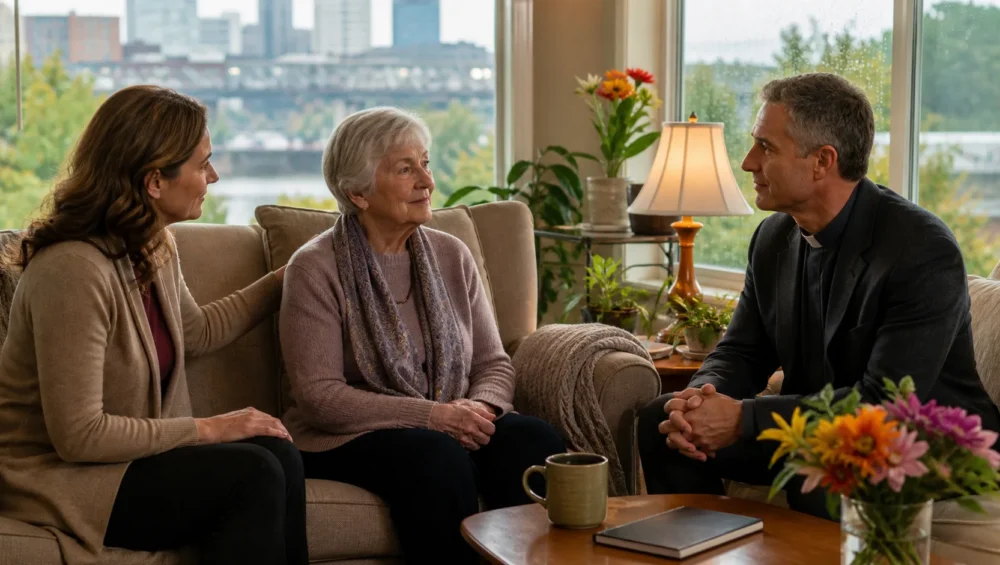
That is where hospice chaplain support in Portland can make a real difference. A chaplain offers gentle spiritual and emotional care in the place many people feel safest, their own home. This support can bring a sense of peace and help everyone feel less alone with what they are facing.
At Vista River Hospice, we focus on personalized spiritual care. Our chaplains are non-denominational, which means we respect every belief system, including those who see themselves as spiritual but not religious. Our goal is simple: to listen, to honor, and to support what matters most to each person and family.
What Hospice Chaplains Really Do in Portland Homes
Some people hear the word “chaplain” and feel nervous. They may worry someone is coming to preach, push a certain religion, or talk about things they do not believe. Hospice chaplain support in Portland homes is very different from that.
Hospice chaplains are there to support, not to convert. Their role is to be a steady, caring presence for both patients and families. They meet people where they are, in their questions, doubts, fears, and hopes.
A typical chaplain visit at home might include:
- Quiet conversation about how the person is feeling inside
- Life review, looking back on important memories, relationships, and achievements
- Gentle reflection about what gives comfort, hope, or strength
- Reading, prayer, blessings, or music, if the person wants those things
Sometimes, a chaplain simply sits in silence with someone who is tired, afraid, or in pain. Even without many words, that calm presence can make the room feel a little lighter. For families, it can be a relief to have someone there who is not asking for anything, just offering care.
Chaplains also work closely with the rest of the hospice team. They talk with nurses, social workers, aides, and volunteers so everyone can understand the emotional and spiritual needs in the home. For example, if a patient is very anxious at night, the chaplain might suggest special comfort measures or visit more often during that time. This team approach helps support the whole person, not only their medical needs.
How Hospice Chaplain Support in Portland Respects Every Belief
Portland and Salem are home to people from many backgrounds and traditions. Some follow a specific religion. Others blend several traditions. Many would say they are nonreligious, but still care deeply about values, nature, or community. Hospice chaplain support in Portland is shaped with that diversity in mind.
Instead of assuming what someone believes, chaplains begin by asking questions like:
- What has given you strength during hard times in the past?
- Are there traditions or rituals that matter to you?
- What does peace or hope mean to you right now?
- Is there anything you want to say or do while you still feel able?
The answers help the chaplain tailor each visit. For some people, this may include prayer or scripture. For others, it might be a simple ritual, like lighting a candle, listening to favorite music, or sitting outside to feel the air and hear the trees. For those who do not connect with religion at all, the focus may be on values, legacy, or relationships.
When patients already have a faith community, chaplains can help support that connection too. They may:
- Coordinate with a local pastor, rabbi, imam, or other spiritual leader
- Help plan visits or rituals at home when travel is hard
- Offer support around traditions at the time of death
- Help communicate the patient’s wishes to their faith community
The goal is always the same: to honor what matters most to that person and their family, in a way that feels respectful and true.
Emotional Support for Families During Oregon’s Long Autumn
In our part of Oregon, autumn often brings gray skies, falling leaves, and cooler, shorter days. Families may spend more time indoors, and there can be more quiet moments to think. When a loved one is in hospice, this season can stir up strong emotions about change, endings, and what comes next.
Hospice chaplains offer steady support for families before and after a death. They help with:
- Anticipatory grief, the sadness that comes before a loss
- Big questions about what is happening and what it means
- Tension or conflict between family members
- Hard choices around treatment or care at home
Chaplain support can also be very practical and down-to-earth. In the autumn months, families may want help creating small rituals that fit this reflective time of year. For example, a chaplain might.
- Help plan a simple candle-lighting or moment of silence at home
- Suggest ways to mark important dates, like birthdays or anniversaries
- Support parents or grandparents as they talk with children and teens in honest, gentle language
Early grief can feel heavy as the days grow darker. Having someone to check in with, listen without judgment, and offer words or moments of comfort can ease that weight a bit.
When to Ask for Hospice Chaplain Support in Portland
Many people are not sure when it is the “right” time to invite a chaplain in. There is no strict rule. Hospice chaplain support in Portland is meant to be flexible, so it can adjust to changing needs.
Some signs that chaplain visits might help include:
- Growing anxiety, fear, or restlessness that is not only physical
- Big spiritual questions, such as “Why is this happening?” or “What comes next?”
- Unresolved conflicts or regrets that someone wants to address
- A strong desire for closure, blessing, or simple words of goodbye
Families can ask for chaplain support at the start of hospice care or later on. Some people like to meet once and see how it feels. Others prefer regular visits. The schedule can also change, with more frequent visits during times of crisis or rapid decline.
It is never all or nothing. A patient or family can:
- Try one or two visits, then decide what works
- Ask for more support for a period of time
- Pause chaplain visits if their needs shift, and start again later
The goal is to make chaplain care fit the family, not the other way around.
Next Steps to Bring Gentle Spiritual Care Into Your Home
When a loved one is seriously ill, it can be hard to know what support to ask for. Medical care often takes center stage, but spiritual and emotional care matter too. In the Portland and Salem areas, hospice chaplain support is one way to bring a calm, compassionate presence into your home.
At Vista River Hospice, we begin with simple, no-pressure conversations. We listen carefully to each family’s goals, worries, and hopes. From there, the team builds a care plan that can include chaplain visits if that feels right for you. The focus is always on honoring your beliefs, your pace, and your sense of what brings peace in this season of life.
Find Steady Spiritual Support For Your Family’s Journey
When you are ready to explore how faith, meaning, and emotional comfort can be part of your hospice experience, we are here to walk beside you. Learn how our hospice chaplain support in Portland can honor your values while easing the stress of difficult days. At Vista River Hospice, we listen first so we can support each person in a way that feels respectful and authentic. If you have questions or want to talk with our team, please contact us to start the conversation.