Finding Spiritual Steadiness When Home Feels Heavy
When serious illness enters a home, everything can feel different. The sounds are quieter, the air feels heavier, and simple tasks may suddenly seem hard. As the weather cools and families in Salem spend more time indoors, this shift can feel even stronger.
During this time, emotions often rise to the surface. People may start asking deeper questions about life, purpose, and what comes next, even if they have never thought of themselves as religious. Family members can feel pulled between caregiving tasks and their own grief, guilt, or worry.
A hospice chaplain in Salem, Oregon, can be a calm, steady presence in the middle of all this. Chaplains are trained to sit with hard questions and painful feelings, and to bring comfort that fits each person’s beliefs and values. In this article, we will share how to recognize when your loved one, and you as a caregiver, might benefit from chaplain support at home.
Understanding What Hospice Chaplains Really Do
Many people think chaplains are only for those who go to church every week or follow a clear faith tradition. That is not the case. Hospice chaplains care for the whole person, including those who are unsure what they believe or who do not believe in God at all.
Some of the core things chaplains do include:
- Listening to fears, regrets, and worries without judgment
- Helping patients look back on their life and notice what mattered most
- Supporting honest, sometimes difficult conversations within the family
- Offering prayer, blessings, or simple rituals when they are wanted
Chaplains are part of the hospice team. They work closely with the nurse, social worker, and volunteers so that care lines up with what the patient values. When everyone understands what really matters to the person who is ill, decisions often feel clearer and more peaceful.
In-home visits in Salem allow chaplains to show up where people are most at ease, whether that is at the bedside, in a favorite chair by the window, or at the kitchen table. Some conversations are private and quiet. Others include several family members sitting together, sharing stories and questions.
Signs Your Loved One May Need Spiritual Support Now
It can be hard to know when to ask for chaplain support. You do not need to wait for a crisis. Often, small signs show that a person is searching for deeper meaning or comfort.
Emotional and verbal cues might include:
- Increased worry or panic when talking about death
- Questions like “What happens to me after this?” or “Did my life matter?”
- Frequent talk about guilt, regrets, or “unfinished business”
You might also notice changes in behavior, such as:
- Pulling away from others or not wanting visitors
- Difficulty sleeping or more restlessness at night
- Feeling more tense around holidays or important dates
- A sudden push to talk about old memories, past mistakes, or broken relationships
Families give off signals too. You may see:
- Growing tension or short tempers at the bedside
- Disagreements about care choices or what the patient “would have wanted”
- Conflicts about different beliefs within the same family
As the days get shorter in early fall, some people naturally turn inward. Long evenings and cooler air can lead to more reflection and sometimes more sadness. This can be a gentle time to invite a hospice chaplain in Salem, Oregon, to sit with your loved one and your family, so no one has to carry these heavy thoughts alone.
How a Hospice Chaplain in Salem, Oregon Supports Families
Chaplains support both patients and the people who love them. Their role is flexible, so visits can look different from home to home.
A hospice chaplain may:
- Guide calm, honest talks between family members
- Suggest simple rituals like lighting a candle, reading a favorite poem, or sharing a blessing
- Sit in quiet presence when words feel too hard or tiring
- Help name what is most important for the time that remains
Support is not limited to one belief system. Chaplains can care for people who are:
- Christian or part of another faith tradition
- Spiritual but not connected to a church or group
- Agnostic, unsure, or nonreligious
A big part of chaplain care is grief support. This includes what is called anticipatory grief, the sadness and worry that show up before a death. Spouses, partners, adult children, and even grandchildren may all feel this in different ways. A chaplain can sit with each person, help them put words to their feelings, and suggest gentle ways to stay connected to their loved one.
As seasons change, families sometimes feel pressure to “keep traditions going” even when a loved one is weak or tired. A chaplain can help shape meaningful, low-stress moments that fit the patient’s energy level, like a short family gathering, a favorite meal shared at the bedside, or a simple blessing before everyone goes home.
What to Expect During Chaplain Visits at Home
Many people feel nervous about a first visit with a chaplain. They may worry they will be preached at or pushed into certain beliefs. Hospice chaplain visits do not work that way.
A typical first visit often includes:
- Simple introductions and getting to know each other
- Gentle questions about beliefs, values, and what brings comfort
- Listening to the patient and family share what is weighing on their hearts
- Asking what kind of support feels welcome and what does not
From there, each visit is shaped by the patient and family. Possible elements might include:
- Prayer, if desired
- Blessings or words of comfort
- Readings from sacred texts or other meaningful writing
- Music, guided reflection, or quiet breathing
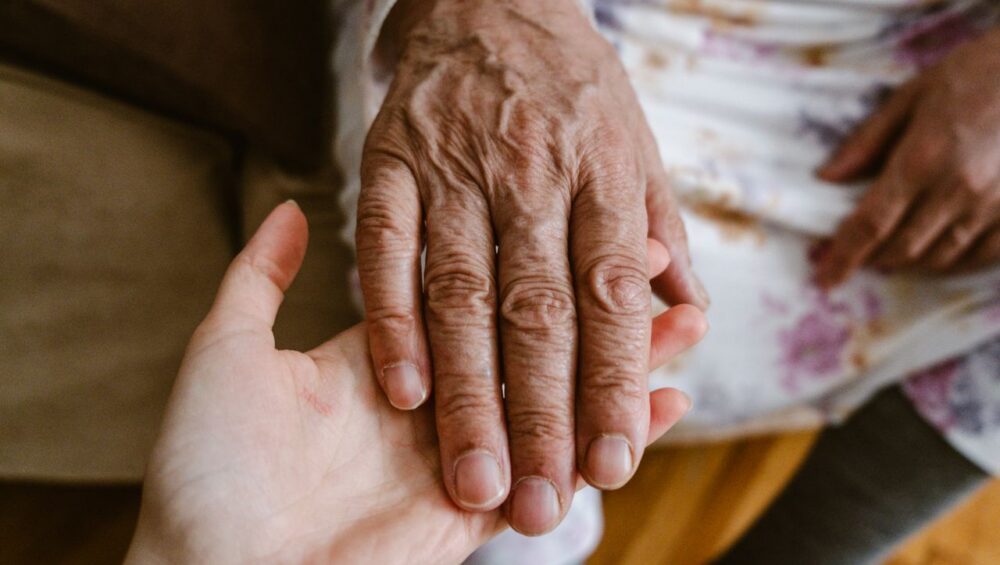
- Just sitting in silence with a hand held, a calm presence, and no need to talk
You are always in control. Chaplains follow the family’s lead. Visits can be short or longer, often changing as needs shift. Some days you may want to talk a lot. Other days you might only want a short prayer or quiet support.
At Vista River Hospice, chaplain care is tailored to fit each home. Our goal is for the chaplain to feel like support, not like another task on the schedule. The focus is on comfort, honesty, and respect for what you and your loved one believe.
Taking the Next Step Toward Peace at Home
If you recognize these signs in your loved one or in yourself, it may be time to bring spiritual support into the home. The first step is often as simple as mentioning your concerns to your hospice nurse or another member of the care team and asking about chaplain visits.
Within Vista River Hospice, chaplain care is part of a wider circle that includes nursing, massage therapy, and volunteer support. All of these pieces work together to care for body, mind, and spirit. When you talk with the team, you might ask questions like:
- How often can the chaplain visit?
- Can the chaplain meet with our whole family together?
- Is it possible to include children or teens in some visits?
- How can we involve our own faith community, if we have one?
Families in Salem and Portland do not have to face end-of-life spiritual questions alone. A hospice chaplain in Salem, Oregon, can help bring more peace, more understanding, and more gentle connection at home, especially when the season feels heavy and the days grow shorter.
Find Steady Spiritual Support For Your Hospice Journey
If you or someone you love is seeking compassionate spiritual care, our hospice chaplain in Salem, Oregon is here to walk alongside you. At Vista River Hospice, we listen, pray, and support people of all faiths and backgrounds so no one has to face this season alone. Reach out today to talk with our team, ask questions, or explore how we can honor your beliefs and values. You can also contact us to schedule a conversation about next steps.