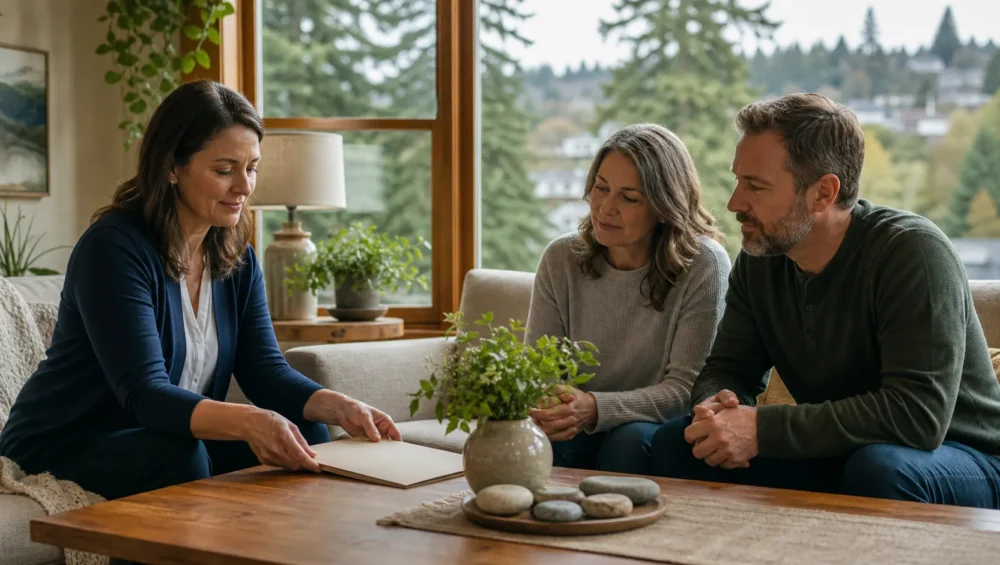
Planning Ahead for Gentler Grief
Planning bereavement support before a death can feel uncomfortable, but it is really an act of love. It means you care enough to think about how you and your family will be supported when life gets harder. When we plan ahead, we are not giving up on hope; we are making sure no one has to face deep loss alone or unprepared.
Here in the Portland and Salem areas, many families are already stretched. People balance work, school, traffic, and caregiving, often all at the same time. When a serious illness is part of daily life, emotions can run high and energy can run low. Having a plan for grief support in place can bring a small but real sense of steadiness.
Hospice teams like ours at Vista River Hospice are here for more than medical care. We are trained to walk with patients and families through the emotional and spiritual parts of serious illness and loss. That support can start long before a death, so love and comfort are already in place when you need them most.
Why Early Bereavement Planning Matters
Thinking ahead about bereavement support in Portland, Oregon does a few important things for families.
First, it cuts down on crisis and overwhelm. When a loved one is nearing the end of life, simple choices can feel huge. Early planning means you have already thought about:
- Who will be your main emotional supports
- Which hospice or helpers you trust
- What kind of spiritual or cultural rituals matter to you
- How you prefer to share news and updates with others
With these basics decided, you have a little more room to focus on connection, comfort, and saying what needs to be said.
Early planning also helps the whole family system, not just one person. In one household you might have:
- A spouse trying to keep work going
- Adult children caring for their own kids
- Teens who may pull away or act angry when they are scared
- Younger children who need simple, honest answers
Each person grieves in a different way and at a different pace. A thoughtful plan makes space for all of these needs so no one feels forgotten.
Planning ahead also gives time to honor your cultural and spiritual traditions. Portland is home to many backgrounds and belief systems. Some families want specific prayers or readings, others want music, food, or quiet time together. Early conversations help your hospice team understand what matters most so these practices are respected and included.
Understanding Hospice Bereavement Services
Hospice bereavement support is about caring for the hearts of those who love the person who is ill. The support often includes:
- One-on-one grief counseling or support
- Phone check-ins during harder times
- Grief support groups for adults
- Resources, activities, and referrals for children and teens
- Memorial gatherings or remembrance events
A key point many people do not realize is that support does not start only after a death. Emotional and spiritual care usually begins when a patient is admitted to hospice. Social workers, chaplains, and nurses listen, answer questions, and help you prepare for what is ahead. This support continues for many months after a loss, often at least through the first year.
On the care team, each role brings something different:
- Social workers help with emotions, family talks, and community resources
- Chaplains offer spiritual care for any or no faith tradition
- Nurses support comfort and can also answer questions about what to expect physically
- Bereavement coordinators help design follow-up support and groups after the death
Together, the team works with you to build a plan that fits your family’s values, routines, and needs.
How to Talk with Family About Future Grief
Starting a conversation about future grief can feel heavy, but a gentle approach can help. It often works best when the setting is calm, such as:
- A quiet evening at home
- A relaxed weekend afternoon
- A simple walk in a nearby park
Late summer and early fall can be a natural time to talk, as schedules shift and people start thinking ahead to the end of the year. You might open with simple phrases like:
- “I want us to think together about how we will support each other.”
- “It helps me to know what matters most to you, just in case things change.”
- “I do not want to be gloomy; I just want us to be prepared and cared for.”
These words leave room for hope while making space for honest talk. They invite feelings, wishes, and questions without sounding like a final decision about what will happen or when.
When involving children and teens, keep their ages in mind:
- Young children need clear, simple words like “The doctors cannot fix this illness.”
- School-age kids often want to know what will change in their daily life.
- Teens may prefer more privacy but still need honest answers and chances to talk.
Let them know that any feeling is allowed, and that questions can come at any time. You can say, “You can ask me anything, even if you are not sure how to say it yet.”
Local Bereavement Support and Creating a Personalized Plan
In the Portland and Salem areas, support for grief often comes from more than one place. Hospice-based resources can include in-home emotional support, spiritual care, social work visits, and ongoing bereavement services for families. Care can be shaped around what brings you comfort, whether that is quiet conversation, prayer, music, or simple presence.
Community and seasonal supports can add extra layers of care, such as:
- Local grief groups that meet in person or online
- Faith communities that offer prayer, rituals, or visits
- Community remembrance gatherings or memorial walks
These options can feel especially helpful as the days grow shorter and routines shift with the season. Some people find meaning in marking that change as part of their grief.
When choosing support, it helps to match services to your values. You might ask yourself:
- Do we want support that includes our spiritual or cultural practices?
- Do we prefer one-on-one care, or are we open to groups?
- How comfortable are we with in-home visits versus going to a community space?
From there, you can start building a personalized bereavement plan. That plan might include:
- A short list of friends or family who can offer practical help
- Names of hospice team members and how they support you
- Community or faith groups that feel like a good fit
It also helps to think ahead about key dates and holidays. Birthdays, anniversaries, and certain seasons can be especially tender. Planning simple ideas for those days, like lighting a candle, visiting a favorite place, or sharing a special meal, can make them feel a little more held.
Some families also choose to focus on legacy and memory projects before a death. This might look like recorded stories, handwritten letters, favorite recipes written down, or a photo book. These small acts can bring comfort both now and later, giving loved ones something they can touch, hear, or read when they miss the person they love.
At Vista River Hospice, we see early bereavement planning as one more way to care for the whole family. When support is in place ahead of time, grief can still be painful, but less lonely and less confusing. Planning does not take away the sadness, but it can make the path through it a little softer, one thoughtful step at a time.
Find Steady Support Through Grief Today
If you or someone you love is navigating loss, we are here to walk alongside you with understanding and care. Explore how our bereavement support in Portland, Oregon can offer a safe place to share, reflect, and heal at a pace that feels right for you. At Vista River Hospice, we listen first so we can tailor support to your unique experience. When you are ready to talk, please contact us and we will help you take the next step.