How Local Hospice Volunteers Lighten the Load for Salem Families
Caring for a loved one at the end of life is a full-time job on its own. Many Salem families are doing this while also working, caring for kids or grandkids, and trying to keep up with everyday tasks. The days can feel long, the nights even longer, and it can be hard to find a moment to breathe.
That is where hospice volunteers can make a real difference. Trained volunteers bring calm, kind support into the home. They offer a steady presence, simple companionship, and a set of helping hands so families are not carrying everything alone.
As a locally owned hospice serving Portland and Salem, we see how much this matters. At Vista River Hospice, we take time with hospice volunteer matchmaking in Salem so each family can be paired with someone who fits their rhythm, interests, and comfort level. The goal is not just a volunteer visit, but a connection that feels natural and supportive.
Who Hospice Volunteers Are and What They Actually Do
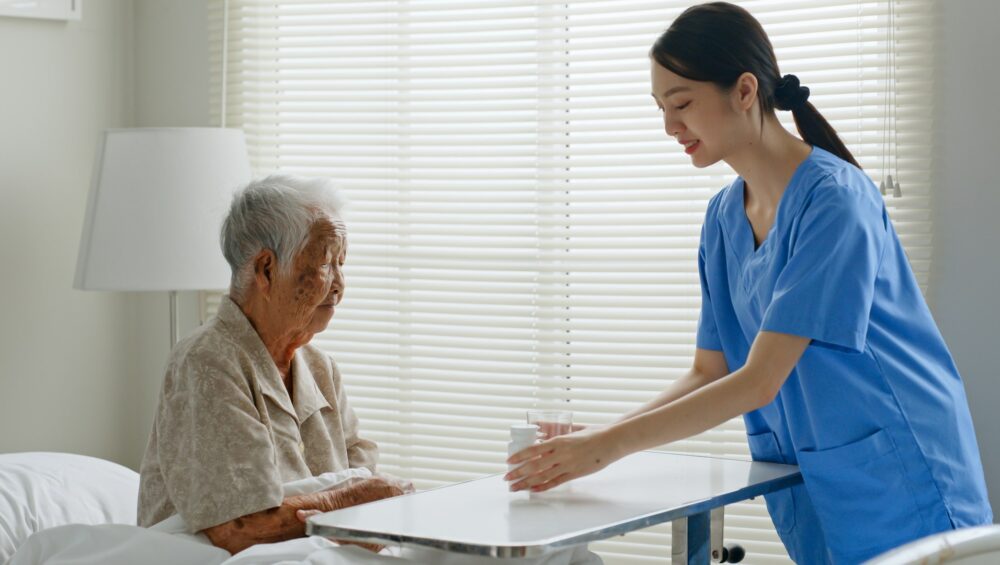
Hospice volunteers are community members who care deeply about people at the end of life. They are not nurses or doctors, and they do not provide medical care. Instead, they are trained to offer non-clinical support that brings comfort and ease into the home.
Common ways volunteers spend time with patients include:
- Talking and listening
- Reading aloud, praying, or sharing stories
- Playing cards or simple games
- Listening to favorite music or quietly watching TV together
Volunteers can also help with practical needs during a visit. This may look like:
- Folding a load of laundry or tidying a common area
- Writing a few thank-you cards or notes
- Sitting with the patient so a caregiver can nap or shower
- Staying with the patient while a caregiver goes to a school event, a walk, or an errand
At Vista River Hospice, we offer services like music therapy, massage, and spiritual care. Volunteers often help these pieces fit smoothly into the day. A volunteer might help a patient get settled before a massage, offer a drink of water afterward, or sit and talk with them about a music therapy session they enjoyed. Their presence helps pull these supports together into a calmer, more peaceful day for the whole family.
How Hospice Volunteer Matchmaking in Salem Really Works
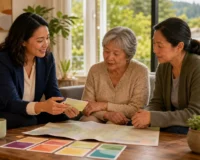
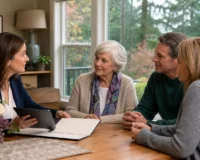
Good support starts with knowing the person in front of us. Before we match a volunteer with a patient, our team spends time getting to know the family. We talk with you about your routines, your values, and what feels comfortable in your home.
When we look at hospice volunteer matchmaking in Salem, we pay attention to details such as:
- Personality and sense of humor
- Interests and hobbies, like gardening, sports, crafts, or books
- Cultural or spiritual background and preferences
- Language and communication style
- Where you live in the Salem area and what visit times work best
If a patient loves the garden, we might match them with a volunteer who also enjoys plants and does well sitting outside for a short time. If someone is quiet and private, we look for a volunteer who is gentle, calm, and does not push conversation.
Sometimes, a match does not feel quite right on the first try. That is okay. We encourage families to share honest feedback with our team. We can adjust visit times, change the focus of the visit, or assign a different volunteer. What matters most is that the relationship feels easy, respectful, and supportive during what is often a tender season of life.
Clear Boundaries That Keep Everyone Safe and Supported
Healthy boundaries help everyone relax. Hospice volunteers have a clear role, and that clarity is part of what keeps patients and families safe.
Here is what volunteers can do:
- Offering companionship and a listening ear
- Help with light household tasks and simple organization
- Sit with the patient so caregivers can rest or step out
- Support emotional comfort by being present and kind
Here is what volunteers do not do:
- Give medications or manage pillboxes
- Provide medical advice or change care plans
- Lift or move patients on their own
- Handle money, pay bills, or make legal or financial decisions
Volunteers are also trained around privacy. They learn to protect what they see and hear in your home, and to follow hospice policies and Oregon regulations on confidentiality. Your stories belong to you, and your information is treated with care.
Emotional boundaries matter too. Volunteers bring empathy and warmth but they are not counselors or medical staff. When deeper medical, social, or spiritual questions come up, they know to loop in the broader hospice team, including nurses, social workers, spiritual care providers, and grief professionals. That way, each need is met by the right person.
What to Expect From Your First Hospice Volunteer Visit
Many families feel nervous before a first visit. You might wonder what to say, where the volunteer should sit, or whether you need to host them like a guest. It can feel awkward at first, especially when you are already tired.
A first visit usually has a simple flow:
1. Arrival and introductions
The volunteer arrives at the planned time, meets the patient and any family present, and checks in with the hospice team if needed.
2. Quick review of preferences
Together, you talk briefly about what feels comfortable. Are there rooms that are private? Are there topics you want to avoid? Do you prefer quiet time or conversation?
3. Gentle conversation
The volunteer may ask a few open questions, but they will follow your lead. Silence is okay. Laughter is okay. Tears are okay too.
4. Light activity
If the patient feels up to it, you might choose a simple activity. For a first visit in springtime in Salem, this could be:
- Sitting by a window or on a porch to watch the trees and sky
- Looking through old photo albums and sharing memories
- Listening to favorite songs from earlier years
- Watching a baseball game or another familiar show on TV
Some first visits stay very simple. Maybe the patient dozes in their chair while the volunteer reads quietly nearby. Maybe the caregiver uses that hour to make a meal, catch up on messages, or simply close their eyes in another room. The visit is shaped around what feels most helpful and gentle that day.
Volunteers are trained to handle those early-visit worries. They understand that families may feel behind on housework or fear being judged. Their role is not to inspect or correct, but to support. If you are unsure what to ask for, they can offer a few suggestions and let you choose what feels right.
Next Steps to Find the Right Volunteer Support in Salem
If you are caring for someone at home and thinking about hospice, or if you already have hospice care in place, it can help to talk with your care team about volunteer support. Ask specific questions about how hospice volunteer matchmaking in Salem works and what options are available in your neighborhood.
To prepare for adding a volunteer to your care circle, you might:
- Notice the times of day that feel most stressful or lonely
- Make a short list of small tasks or breaks that would truly help
- Talk as a family about what kind of personality would feel comfortable
- Decide where in the home visits would feel best
At Vista River Hospice, our goal is to bring more peace into your home during a very human, very tender time. By pairing you with the right volunteer support and honoring clear boundaries, we work with you to create days that hold more comfort, more presence, and a bit more breathing room for everyone involved.
Find Meaningful Ways To Share Your Time And Compassion
If you feel called to support patients and families at the end of life, our hospice volunteer matchmaking in Salem can help you find a role that truly fits your gifts, schedule, and comfort level. At Vista River Hospice, we take time to understand what matters to you so we can connect you with the right opportunities. Reach out today to explore your questions, learn about next steps, or schedule a conversation with our volunteer coordinator through our contact us page.