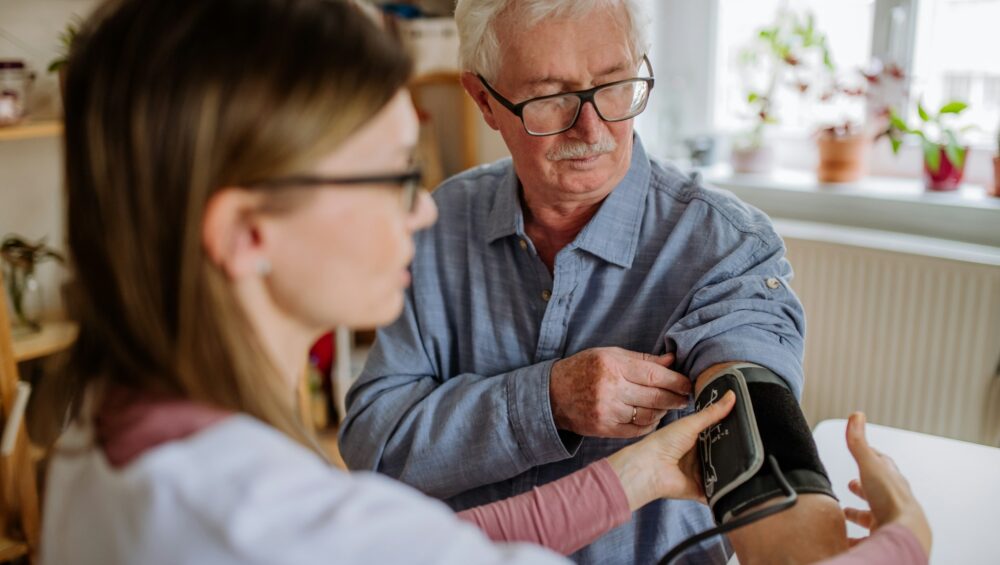
Choosing the Right Extra Support for Hospice at Home
Caring for a loved one at home while keeping up with work, kids, and daily life can feel like a lot. Many families in Salem, Portland, and nearby towns know they need “more help,” but are not sure what kind. Is it a companion, a volunteer, or a hospice aide?
These roles may sound similar, but they are not the same. Each one has different training, limits, and legal boundaries. When you understand the difference, you can fill the right gaps, keep your loved one safe, and protect your own energy.
Here, we will walk through hospice companions, volunteers, and hospice aides in simple terms, then share when each one tends to help the most for families in the Portland and Salem area.
What a Hospice Companion Can and Cannot Do
Hospice companion services in Portland and surrounding communities focus on non-medical support. Companions are usually paid helpers who offer presence, social time, and light practical tasks that support comfort.
A hospice companion may help with things like:
- Friendly conversation and listening
- Reading aloud, watching TV together, or sharing memories
- Quiet supervision so your loved one is not alone
- Short walks or sitting outside if it is safe and approved
- Simple tasks around the bedside like refilling water, warming a meal, or tidying the area
This kind of support is about company and safety, not hands-on care. That is where the limits come in. A hospice companion does not:
- Give baths or help with toileting
- Give or set up medications
- Do wound care or medical tasks
- Make clinical choices about what is safe or needed
During warmer months, many families like having a companion spend time outside on the porch or in the yard with their loved one, or help welcome grandchildren who are home from school. Companions can also offer a steady block of time so the main caregiver can run errands, go to work, or rest without worrying that the person at home is alone.
The Role of Hospice Volunteers in Oregon Communities
Hospice volunteers are trained, unpaid members of the hospice team. They serve under the direction of the hospice agency and offer both practical and emotional support to patients and families.
Common ways volunteers may help include:
- Friendly visits and conversation
- Quiet presence during harder days
- Short breaks for family so they can nap or step out
- Simple errands that are approved by the hospice team
- Music, reading, or sharing hobbies the patient enjoys
Volunteers have clear boundaries. They are not a replacement for a hospice aide or nurse. Volunteers do not:
- Provide hands-on personal care like bathing or toileting
- Lift or transfer patients
- Give medications or manage medical equipment
- Offer professional counseling or therapy
Because volunteers usually live in the same area, they often understand local culture, weather, and daily life in places like Portland, Salem, and surrounding towns. Sometimes they may share a language, faith tradition, or neighborhood background. That can bring a sense of comfort that feels like the wider community is wrapping around the family, not just the medical team.
What Makes a Hospice Aide Different From Other Helpers
A hospice aide is very different from a companion or volunteer. Hospice aides are trained caregivers, such as certified nursing assistants or home health aides, who work closely with the hospice nurse. Their main focus is hands-on personal care.
A hospice aide may:
- Help with bathing, shampooing, and oral care
- Assist with dressing and grooming
- Support safe toileting and incontinence care
- Help with safe transfers from bed to chair
- Do light range-of-motion exercises as directed
- Watch for changes in skin, comfort, or safety and report them to the nurse
Aides do not diagnose medical problems, change treatment plans, or prescribe or adjust medications. However, they are often the “eyes and ears” in the home. Because they see the patient during personal care, they may notice new discomfort, skin changes, or safety risks and share that with the nurse.
During warmer weather, hospice aides can be especially helpful with:
- Safe bathing and keeping cool
- Preventing skin problems when it is hot or humid
- Adjusting routines when school schedules or family travel plans shift
Their support can ease physical work for caregivers and make personal care less stressful for everyone.
Matching the Right Type of Help to Your Family’s Needs
So which kind of help is right for your family? It often depends on what the hardest part of your day looks like.
Here is a simple way to think about it:
- If you mostly need company, conversation, and calm supervision so your loved one is not alone, hospice companion services in Portland or Salem may be a good fit.
- If you need help with bathing, dressing, toileting, and safe movement, a hospice aide is usually the best match.
- If you want more emotional support, friendly visits, or time to step away, and you are handling personal care fine, volunteers may be just right.
A few common situations:
- A family in Salem where the main caregiver works outside the home during the day might benefit from a hospice companion who can sit with their loved one, keep them company, and notice basic comfort needs.
- A Portland family that feels most worn out by bathing and transferring their loved one would likely lean on hospice aide visits, since aides are trained in safe movement and personal care.
- A family in a smaller nearby town that feels okay with hands-on care but wishes for more emotional support might find great comfort in regular volunteer visits, along with their usual team.
Often, the best support is a blend. Companions, volunteers, and hospice aides each bring something different. When they are coordinated under one hospice plan of care, they can form a steady circle around both the patient and the family caregiver.
How Vista River Hospice Helps You Build the Right Team
At Vista River Hospice, we know every family in the Portland and Salem area carries a different story, schedule, and set of worries. Some are trying to plan around kids’ activities. Others are caring for a spouse while also trying to keep up with a job or long drives from a rural home.
Our team looks at the full picture. We coordinate nursing care, hospice aide visits, massage therapy, emotional and spiritual support, and access to volunteers and community resources. Our goal is to lower stress for caregivers, support comfort for the patient, and help everyone feel a little less alone.
As seasons and routines change, support needs often change too. Talking with the hospice team about upcoming travel, school breaks, or shifts in work hours can help us adjust visit times, explore hospice companion services in Portland and Salem, and set a plan that feels more sustainable.
You do not have to sort through all these options by yourself. Vista River Hospice can help you think through what kind of help fits your life, your loved one’s needs, and your own limits, so home can feel more peaceful and less overwhelming.
Bring Comfort and Connection to Your Loved One’s Hospice Journey
If you are ready to create more meaningful, relaxed time with your loved one, we are here to help you plan visits that truly matter. Our team at Vista River Hospice can guide you in choosing the right support through our hospice companion services in Portland. We will listen to your family’s needs, answer questions, and offer options that respect your loved one’s preferences. To talk with our team and explore next steps, please contact us.