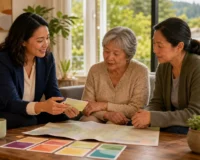
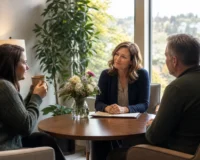
During the colder months in Oregon, comfort becomes more important than ever, especially for those nearing the end of life. When days are short and movement is limited, the warmth of simple human touch can bring calm that words often can’t. For many families in Salem and Portland, physical presence takes on more meaning in winter, offering both emotional and physical reassurance when energy is low.
That is where Oregon end of life massage therapy becomes a quiet part of care. It’s not about fixing or changing the body. It is about helping people feel a little lighter, a little more at ease, and still connected to others in gentle, respectful ways. Soft touch can provide a kind of care that sinks deeply into cold days, helping patients and families feel seen, supported, and a little less alone.
How Massage Therapy Supports End-of-Life Care
End-of-life massage is meant to comfort, not treat. The focus is not on long-term muscle recovery or mobility goals. Instead, it is about helping someone relax and feel safe in their body, even when that body is changing quickly.
- It may ease pain without medication, through soft pressure or still hands
- It helps reduce stiffness and supports better sleep or deeper rest
- It brings calm when anxiety or restlessness makes settling down difficult
Beyond physical relief, massage offers emotional support too. Touch, when safely offered, reminds someone that they are still here and still cared for. It can boost a sense of connection, especially in quiet stages where conversation may no longer be possible. For some, these soft, wordless moments are where the most lasting comfort happens.
Vista River Hospice provides compassionate, in-home support services including massage and gentle touch as part of our holistic hospice care approach, which is highlighted on our website’s care services page.
Winter in Oregon: Why Massage Can Matter More
January and February bring extra challenges to families caring for loved ones at home in Oregon. The temperatures drop, daylight fades early, and energy tends to run low for everyone. Health changes can be felt more strongly in this season, especially when outdoor walks or sunshine become rare.
In-home massage allows warmth and presence to come inside when going outside does not feel safe or practical. Oregon winters often bring icy sidewalks, freezing rain, and dark skies for days at a time. When families cannot or do not want to travel far, being able to access this kind of care at home makes a thoughtful difference.
- Regular sessions can support comfort with less movement
- Staying warm helps muscles stay loose and breathing feel easier
- Quiet moments in a familiar space tend to offer more rest for both patients and caregivers
During these quieter months, therapy rooted in warmth and soft movement can help the days feel a little less heavy.
Our team at Vista River Hospice works directly with patients and their families to adjust in-home personal care and massage services, helping to minimize discomfort while prioritizing dignity and calm.
Who Provides Massage Therapy and What It Looks Like
Massage at the end of life looks different from a typical spa or recovery massage session. It is softer, slower, and entirely shaped by the comfort of the person receiving it. In most cases, massage therapy is offered by trained professionals, often with experience in hospice or palliative care.
A session might happen in a bedroom, a favorite chair, or even a hospital-style bed. The space is kept quiet and warm. The therapist might focus on the hands, feet, shoulders, or back, anywhere the person finds it soothing. Sometimes the session is fifteen minutes, sometimes longer.
Friends or family can be part of this too. When welcomed, they may learn light touch techniques like gentle hand-holding, slow circles on the back, or still palm resting on the chest. These small choices create shared comfort, especially when conversation is hard or sleep is frequent.
Personalizing Massage for Comfort and Preference
Every person’s comfort level is different, especially near the end of life. Massage is always adjusted based on health, awareness, and individual wishes. Nothing is done outside of consent, and choices are revisited often to stay in step with each person’s needs.
- Some people may prefer hand or foot massage only
- Others may enjoy a short back or neck massage for quiet relief
- Areas that are tender or weak are always avoided or touched lightly
Massage frequency may shift over time. Early on, someone might welcome daily or longer touch. Later, a few moments of still contact may be all that feels right. This flexibility gives people control over what comfort looks like for them, which can mean a lot when many other things start to feel out of their hands.
Giving the Whole Family a Moment to Breathe
These sessions often benefit more than just the person receiving them. Caregivers, whether family or friends, are often watching their loved ones in deep decline, an experience that comes with its own kind of strain. Seeing someone rest more easily or let out a deep breath can loosen the tension everyone has been carrying.
Massage therapy creates soft pauses. During that time, caregivers can sit nearby or take a break in another room. Even a few quiet minutes to breathe deeply or have some tea can bring emotional space many don’t realize they need.
When a loved one looks or feels more relaxed, others often do too. The whole home shifts slightly into something softer. That shared stillness can be grounding in a time that feels unpredictable in so many other ways.
Helping Winter Feel a Little Softer with Touch That Comforts
Oregon’s winter stretches out slowly, and for families walking through the final days of a loved one’s life, it can feel endless. Oregon end of life massage therapy offers a way to hold onto human warmth when everything else feels cold, distant, or too fast.
We have seen how touch can bring presence into a room. Whether a hand is gently held, a back is lightly rubbed, or a warm towel is wrapped around tired feet, these actions speak loudly without saying anything. They offer comfort that is simple, but remembered.
Therapy rooted in basic touch is not about doing more, it is about giving people something steady to lean into, especially when energy is fading and words fall away. In quiet rooms lit by low winter sun, that kind of care has a place. It brings peace, not just to the body, but to the hearts gathered around it.
At Vista River Hospice, we know that touch can bring a gentle sense of comfort during the final stages of life, especially throughout the colder months in Salem and Portland. When outdoor activities feel overwhelming, bringing thoughtful care indoors can make a meaningful difference without needing words. For families in Oregon, support like Oregon end of life massage therapy can provide warmth, relieve discomfort, and help everyone feel a little less alone. These small moments of relief often carry more meaning than we realize. Wondering how this kind of care might fit into your loved one’s routine? We are here to talk.