How Gentle Touch Becomes Powerful Support
When someone you love is very sick, small comforts start to matter a lot. A soft blanket, a quiet room, a warm hand on a tired shoulder can feel like a deep breath after a long day. Hospice massage therapy grows out of that simple idea, turning gentle touch into real support for both patients and families at home.
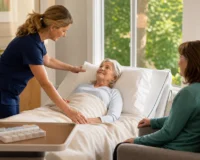
On a gray, rainy Portland afternoon, many families feel the weight of everything at once, medical decisions, changing symptoms, and all the emotions that come with serious illness. Then a hospice massage therapist arrives, lowers the lights, speaks in a calm voice, and begins a slow, careful touch that is safe for fragile bodies. Often, the whole room feels different within minutes. People breathe more deeply. Shoulders drop. The house feels a little quieter, even if the rain keeps tapping the windows.
This is not a spa treatment or a luxury. Hospice massage therapy is a clinical, comfort-focused service designed for people living with serious illness, and for the caregivers who stand beside them. It is gentle, thoughtful, and always adjusted to what the person can handle that day.
Our team at Vista River Hospice is locally owned and serves families across Portland, Salem, and surrounding Oregon communities. Our massage therapists come directly into the home and work closely with the rest of the care team. Below, we share some of the less obvious ways hospice massage therapy services in Portland can help with physical symptoms, family stress, and the tender emotions that show up near the end of life.
Beyond Pain Relief: Hidden Comforts of Hospice Massage
Most people first think of massage as a way to ease pain. Pain relief can be part of hospice massage, but there is much more happening during those quiet, careful sessions.
Gentle, specialized massage can help with common hospice symptoms, especially during damp and chilly months:
- Loosening stiffness in joints that do not move much
- Supporting circulation in hands and feet that feel cool or heavy
- Soothing anxiety and restlessness that show up in the body
- Encouraging deeper, more restful sleep
There are also quieter, more personal benefits that can surprise families:
- Helping patients feel more at home in their own bodies
- Offering a sense of dignity when bathing, dressing, and walking all need help
- Creating a calm ritual during seasons filled with memories and mixed feelings
Many people living with serious illness feel that their body has become a problem to manage. Needles, pills, and procedures can make them feel like they are being handled, not cared for. Gentle massage can flip that feeling. For a short time, the body is not a source of trouble. It is simply a place that deserves ease and kindness.
At Vista River Hospice, massage therapists work closely with nurses and the rest of the care team. Before and after each visit, they share what they see, how the person responded, and what might help next time. Touch, pressure, and session length are adjusted every single visit. Some days, a person may enjoy light work on shoulders and back. On other days, only a soft hand or foot hold will feel right. The goal is always the same: comfort that matches where the person is that day.
How Massage Therapy Eases Family Stress and Guilt
Serious illness does not pause normal life. Caregivers in Portland and Salem often juggle:
- Work schedules and long commutes
- School pick-ups, homework, and kids’ activities
- Medical visits, medications, and changing care plans
- Household tasks that never seem to stop
It is easy to feel stretched thin and to lie awake at night wondering if you are doing enough. That heavy mix of stress and guilt is very common.
Something shifts when family members see their loved one relax during hospice massage therapy. When a person’s face softens, breathing slows, or a small smile appears, many caregivers feel a wave of relief. For a moment, they are not responsible for making everything better. The pressure to fix every problem eases, because a skilled, caring professional is meeting a real need right in front of them.
This shared sense of peace can change the mood of the whole home. The massage visit often creates a natural break in the day. While the therapist works, caregivers may:
- Step into the kitchen for a hot cup of tea
- Take a short walk to clear their head
- Sit in another room and let themselves cry in private
Knowing their loved one is safe and cared for lets them rest, even just a little. That short pause can make it easier to keep going later.
Creating Moments of Connection When Words Are Hard
As illness progresses, talking can become harder. A person may be too tired, short of breath, or confused to hold long conversations. Families often worry about saying the right thing and can feel helpless when words will not come.
In those times, gentle touch can say what voices cannot. Massage offers a quiet way to say, “I am here with you,” without needing long talks or clear answers.
Scenes like these are common in Oregon homes:
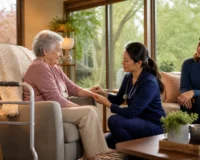
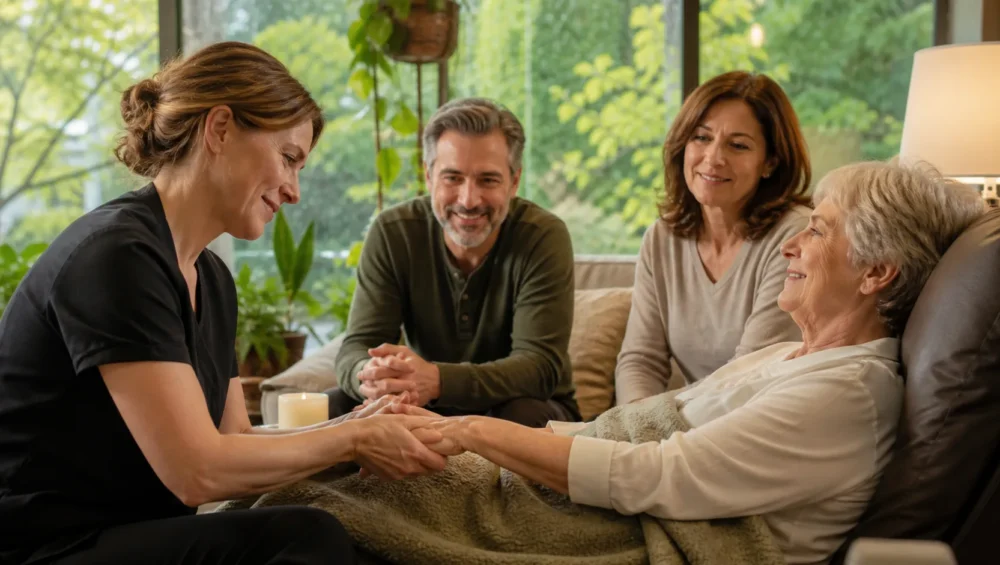
- A parent closing their eyes in comfort while a therapist lightly holds their hand
- A grandchild learning a simple, safe way to apply lotion to the shoulders they once rode on
- Family members sharing soft conversation or just silence, while rain taps outside and the room feels warm and safe
Our therapists can include family in meaningful ways. They might teach a spouse a gentle hand or foot touch that feels good between visits, or show a teenager how to lightly stroke a forearm without causing discomfort. Small, simple techniques let loved ones feel useful and connected instead of stuck on the sidelines. These tiny acts of care often become treasured memories later.
Supporting Grief Before and After a Loss
Grief does not wait for the moment of death. Many families feel anticipatory grief, the sadness and worry that come before a loss. These feelings can grow stronger as seasons change or as special dates approach. People may feel pulled between wanting more time and wanting their loved one’s suffering to ease.
Massage can gently soften this emotional edge by bringing people back into the present moment. When a person feels safe touch, the mind often slows down. Breathing steadies. Instead of spinning in fear of the future, there is space to notice small things: warmth, pressure, quiet, closeness.
For both patients and family members, hospice massage therapy can help:
- Calm the nervous system when emotions are running high
- Ease the tight shoulders, clenched jaws, and sore backs that often show up with grief
- Create a safe space where tears are welcome and silence is not awkward
Sometimes, a massage visit opens the door for an important talk that had felt too hard. Other times, it simply offers a peaceful pause in the middle of a heavy week. Both are valuable.
At Vista River Hospice, massage is part of a wider circle of support that can include spiritual care and bereavement services. The same gentle, relationship-based approach guides all of these services. We walk with families through the tender days before a death and continue to support them as they face anniversaries, changing seasons, and the many reminders that can stir fresh waves of grief.
Choosing the Right Hospice Massage Partner in Portland
If you are thinking about hospice massage therapy services in Portland, it helps to know what to look for. Good questions and a little gut instinct can guide you toward a team that feels like a true partner.
Helpful things to ask about include:
- Training and licensure in medical- or oncology-style massage
- Specific experience with hospice or serious illness
- How the massage therapist communicates with nurses and the rest of the care team
- How they change their approach for fragile skin, pain, or limited movement
Personality and presence matter just as much as skills. A calm, respectful therapist who listens closely can make the home feel safe and steady. The right person will ask about your routines, cultural wishes, and spiritual or personal preferences, then adjust visits around those instead of forcing a strict plan.
Locally owned hospice providers may be able to offer more flexible, personal care. At Vista River Hospice, we pay close attention to timing, length, and style of visits so they fit each family’s real life, not an ideal schedule on paper. Some families like shorter, more frequent visits. Others prefer longer, quieter sessions at certain times of day. We work to match what actually helps.
You might ask questions like:
- How do you adapt massage for someone who bruises easily or cannot turn in bed?
- How do you involve family members if they want to help?
- How do you share information with nurses and other team members so care stays connected?
Most of all, trust your sense of emotional fit. After meeting or talking with a hospice team, you should feel more at ease, not more confused. Your loved one’s comfort and your peace of mind both matter, and the right hospice massage partner will honor both.
Bring Comfort and Relief to Your Loved One Today
When your family is facing serious illness, small moments of ease and human connection matter most. Our gentle touch services are designed to reduce pain, calm anxiety, and support meaningful rest for both patients and caregivers. Explore how our hospice massage therapy services in Portland can fit into your loved one’s care plan with Vista River Hospice. If you are ready to talk about options or schedule a visit, please contact us.