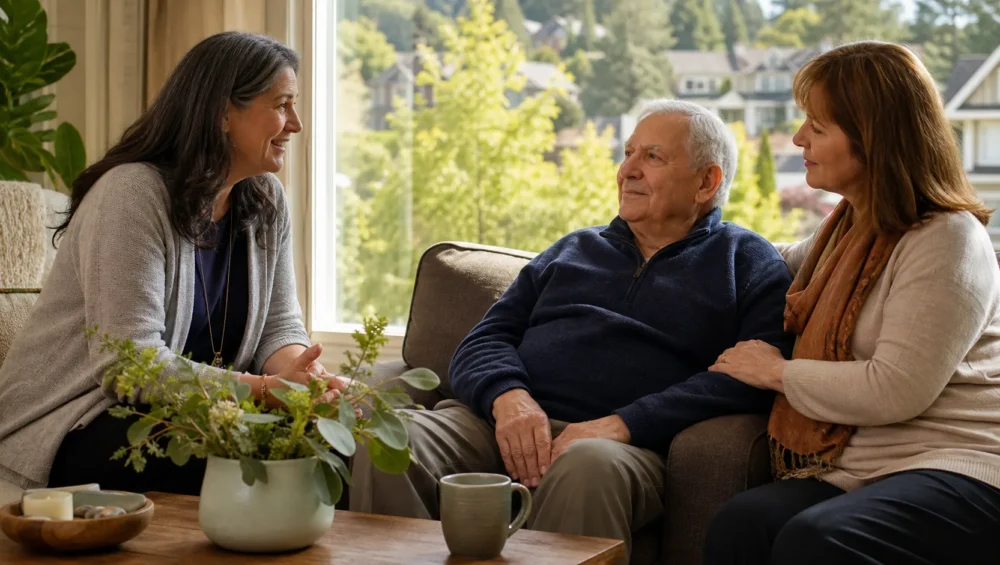
Finding Steady Ground with Spiritual Support at Home
When someone you love is facing a serious illness at home, questions about meaning, faith, and what comes next can feel much louder. Shorter days, gray skies, and the approach of holidays in the Salem area can make emotions feel closer to the surface. People often start thinking more about their legacy, unfinished conversations, and how they want to be remembered.
Spiritual support at home can be a steadying hand. That support can come from different people, like a hospice chaplain, a personal faith leader, or a therapist. Each one offers something a little different, and knowing how they fit together can help your family feel less overwhelmed and more prepared.
At Vista River Hospice, spiritual counseling for people in Salem and nearby communities is shaped around each person’s beliefs and comfort level. Some people are religious, some say they are spiritual but not religious, and some are not sure what they believe. All of that is okay. Our goal here is to help you understand your options so you can choose and coordinate Salem hospice spiritual counseling that makes the months ahead feel more peaceful and manageable.
What Spiritual Counseling Looks Like in Hospice Care
In hospice, spiritual counseling is about what gives life meaning, not just about religion. It sits alongside medical and emotional care and focuses on the deeper questions that often come up at the end of life. During home visits, people often want space to talk through fears, reflect on relationships, and find ways to bring comfort into the present moment.
Common themes during home visits might include:
- Worries about pain, dying, or what comes after
- Thoughts about forgiveness, regret, or unfinished business
- Conversations about family relationships and how to say what needs to be said
- Processing memories around holidays, anniversaries, or special dates
- Creating simple rituals, blessings, or ways to say goodbye
Spiritual support in the home can look very different from one person to the next. For some, it is a quiet person sitting by the bed, listening more than talking. For others, it includes more structured spiritual practices or gentle tools that help someone feel grounded. That support might involve prayer, meaningful readings, calming music, reflection, or simply having a place to speak honestly about hope and fear.
This care is also for family members and caregivers, not only for the patient. Emotions often feel heavier in the evenings or when the house gets quiet, and it can help to have someone who understands anticipatory grief and the strain of caregiving. A chaplain or other spiritual counselor can:
- Sit with family members who are grieving in advance
- Talk through how to handle upcoming holidays or milestones
- Help parents or grandparents find words for children or teens
- Support caregivers who feel tired, guilty, or torn in many directions
Chaplain, Faith Leader, or Therapist
When you start thinking about spiritual counseling at home, three main kinds of helpers often come up: hospice chaplains, personal faith leaders, and therapists. They can all be part of Salem hospice spiritual counseling, but they have different training and roles.
Here is a simple breakdown:
- Hospice chaplain: Specially trained in end-of-life spiritual care, used to working with many different beliefs, including people who do not follow a religion at all. Chaplains are part of the hospice team, so they can talk with nurses and social workers and see the whole picture of care.
- Personal faith leader: This might be a pastor, priest, rabbi, imam, or spiritual teacher the person already knows. They bring the depth of a specific tradition, like sacraments, rituals, or familiar prayers, and often connect the person to a wider faith community.
- Therapist or counselor: A licensed mental health professional who works with grief, anxiety, depression, trauma, and family conflict. Some therapists are comfortable including spirituality in their work if the person wants that.
Each one brings different strengths into the home, and many families find it easier to choose when they think about what kind of support is needed most right now. Chaplains often provide steady bedside presence and open conversation about dying, guilt, fear, hope, and legacy. Faith leaders are especially helpful when someone wants religious rituals, holiday observances, or teachings from a specific belief tradition. Therapists are important when there are long-standing mental health concerns, intense anxiety or depression, or old trauma resurfacing.
So who is best when?
- Choose a chaplain if you want support with fear of dying, questions about meaning, or help finding words for goodbyes and closure.
- Turn to a faith leader if the person wants communion, anointing, specific prayers, or support around religious holidays or holy days.
- Add a therapist when distress is very strong or lasting, or when complicated family patterns are making things even harder.
Many families use more than one of these supports at the same time, with clear communication so everyone is working toward the same goals.
Questions to Ask When Choosing Spiritual Support in Salem
It can be hard to know what to ask when you are already tired and worried. These practical questions can help you understand what a provider offers and how flexible the support can be. You can bring them to any hospice provider that offers Salem hospice spiritual counseling, including ours.
- How is spiritual care offered at home, and how often can we ask for visits?
- Are your chaplains comfortable supporting our specific beliefs, or our doubts and mixed feelings?
- Can spiritual support be offered in the evening or on weekends if that is when we need it most?
- How do you work with my own pastor, priest, rabbi, imam, or spiritual mentor?
You can also ask more focused questions depending on who will be involved. For a hospice chaplain, you may want to understand what a visit feels like in real life, especially if family members have different beliefs or if the patient is too tired to talk much.
For a hospice chaplain:
- How do you handle family members who believe different things from each other?
- What does a typical visit look like, and how much talking is expected?
- Are you comfortable just sitting quietly if the patient does not feel like talking?
For a faith leader, it can help to clarify practical details like whether they can visit at home and how they support rituals and seasonal observances.
For a faith leader:
- Can you visit at home or by phone or video if needed?
- How do you support families around holidays, holy days, or special rituals?
- Are there simple practices from our tradition that we can do at home between your visits?
For a therapist, you are often trying to understand their experience with hospice and whether they can include both emotional and spiritual themes in a way that feels respectful.
For a therapist:
- What is your experience with end-of-life, hospice, and grief?
- Are you open to including spiritual or religious topics if we bring them up?
- Can you include family sessions if that would be helpful?
As fall and early winter approach, it can also help to ask questions that prepare you for emotionally loaded dates. Planning ahead often makes birthdays, anniversaries, and holidays feel less overwhelming when they arrive.
- How can you support us around birthdays, anniversaries, or holidays that are coming up?
- What can we plan now so those days feel more gentle and less overwhelming?
Coordinating Care So Everyone Is on the Same Page
Once you know who might be involved, the next step is to help everyone work together. A simple Salem hospice spiritual counseling plan can keep things calmer and reduce last-minute stress. The goal is not to create a complicated schedule, but to make sure the patient’s wishes are understood and that visits feel supportive rather than exhausting.
A helpful flow might look like this:
- Start with the hospice nurse or social worker, and share the patient’s wishes and concerns.
- Invite the hospice chaplain into the care conversation early, even if visits are short at first.
- If the patient has a faith leader, let them know hospice is involved and share any important details about timing, energy level, and medical needs.
When including personal faith leaders, it often works well to clarify expectations so visits match what the patient actually wants and can tolerate. This helps avoid accidental overlap or well-intended visits that take too much energy.
- Tell them what kind of visit the patient prefers: quiet prayer, conversation, or a short ritual.
- Decide together how often to visit, keeping in mind rest times, medical treatments, and family schedules.
- Clarify how they and the hospice chaplain can support each other instead of overlapping or tiring the patient.
Therapists and hospice chaplains can also complement one another. A therapist might focus on deep patterns, trauma, and intense anxiety, while the chaplain offers calm bedside presence and support around meaning, legacy, and spiritual questions. It often helps when both of them check in with the family’s main contact person so everyone stays aligned.
Simple tools can help everyone stay in sync, such as:
- A shared notebook in the home where visitors jot down what happened and what might help next time
- Short update emails or texts between family and helpers if that feels manageable
- A designated family point person who keeps track of visits, especially when calendars get full in the fall
Next Steps to Create a Peaceful Spiritual Care Plan at Home
Before schedules fill and emotions rise, it can help to pause and gently ask: what matters most spiritually and emotionally for our loved one right now? Writing things down can make it easier to communicate with helpers and reduce the chance that important wishes get missed.
You might write down:
- Whether they see themselves as religious, spiritual, both, or neither
- Any specific prayers, songs, or readings they find comforting
- Rituals they hope for, like blessings, farewells, or certain items nearby
- Who they want to visit, and how often, including any people they feel unsure about seeing
Once you have a simple list, share it with the hospice team, chaplain, faith leader, and any therapist who is involved. From there, you can try a plan, see what feels supportive, and adjust as the patient’s energy and needs change.
Then you can:
- Set up a trial schedule of visits and check-ins
- Keep the plan flexible, knowing needs can change week by week
- Adjust the mix of support if the person becomes more tired, more quiet, or more talkative
There is no perfect plan and no single right choice. What matters most is that the person and their family feel held by a gentle, coordinated circle of support. With thoughtful Salem hospice spiritual counseling at home, no one has to carry these questions or this season of life alone.
Find Compassionate Spiritual Support for Your Hospice Journey
When you or a loved one is facing a serious illness, it can help to have guidance that honors your beliefs and values. At Vista River Hospice, our team is here to listen, support, and walk with you through the spiritual questions that often arise near the end of life. Learn how our Salem hospice spiritual counseling services can bring comfort and clarity during this time. If you are ready to talk with someone about next steps, please contact us so we can support you.