How Personalized Bathing Care Supports Comfort and Dignity
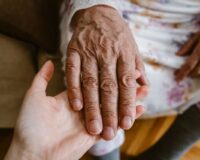
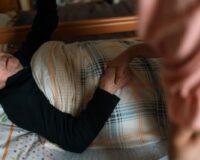
Bathing and skin care are about much more than getting clean. At the end of life, they are a big part of feeling comfortable, respected, and calm. Hospice aides in Portland, Salem, and nearby Oregon communities help with these very personal tasks in a gentle and safe way.
Each person we serve has different needs. Some are steady on their feet, others are very weak. Some are in a lot of pain or feel worn out after just a few minutes of activity. Because of this, bathing plans are never one size fits all. Our nurses and aides look at falls-risk, pain, fatigue, mood, and daily goals, then adjust what they do each visit.
Families are an important part of this process. You can ask questions, request changes, and watch how your loved one does during and after bathing. Your feedback helps us keep care safe and comfortable all year, including during warm summer months when sweat, heat, and skin irritation can show up more often.
What Hospice Aides Do During Bathing and Skin Care
Hospice aides handle many hands-on tasks that can feel hard for families to do alone. During a typical visit, an aide may provide:
- Full or partial bed baths
- Showers or sponge baths when safe
- Hair and scalp care
- Oral care like brushing teeth or cleaning dentures
- Shaving and light grooming
They also often help with:
- Skin moisturizing and gentle massage
- Changing bed linens and clothing
- Help with toileting and incontinence care
- Support with getting in and out of bed or chairs
Every aide follows an individualized care plan that the hospice nurse creates. That plan explains what kind of bath is safest, what products to use or avoid, and what to watch for. Still, how the visit actually looks can change from day to day. If your loved one wakes up very tired or in more pain, the aide may shorten the bath, switch to a partial bed bath, or focus only on what matters most that day.
While helping with personal care, aides see the skin, breathing, and mood up close. They report changes to the nurse, such as:
- New bruises or skin tears
- Redness, rashes, or swelling
- Shortness of breath during simple movements
- Strong anxiety, fear, or sadness around bathing
This quick communication helps the rest of the hospice team respond early when something is changing.
Adjusting Bathing for Falls Risk and Mobility Changes
Falls risk in hospice can come from many causes. A person may feel unsteady, move slowly, or have muscles that are getting weaker. Medications can cause dizziness or confusion. Blood pressure may drop when they stand up. Some may have already had a fall, which can make everyone feel more worried.
Because of this, aides adjust bathing plans often. Safety steps may include:
- Switching from a shower to a bed bath when walking is no longer safe
- Using a stable shower chair and non-slip mats on the floor
- Placing grab bars or portable handles where they are easy to reach
- Keeping bathing sessions shorter to reduce fatigue
- Planning baths when the person is most alert and strongest, often earlier in the day
Families can help by asking for a safety review of the bathroom setup and a list of recommended equipment. You can also track:
- Times of day when your loved one seems most wobbly or sleepy
- Any near falls, slips, or moments when you had to catch them
- Changes in how hard it is to get to the bathroom or into the shower
Sharing these notes with the nurse can lead to updates in the care plan, such as changing bath times, adding extra help for transfers, or changing to a different type of bath.
Managing Pain, Fatigue, and Seasonal Skin Needs
Personal care can feel exhausting when someone is already sore and tired. Our nurses and aides try to time baths around pain medicine, so the person feels their best while moving. On days when fatigue or shortness of breath is worse, it may be better to split care into a few short sessions instead of one long bath.
Gentle techniques can make a big difference, such as:
- Warm, not hot, water
- Soft towels and fragrance-free cleansers
- Slow, steady movements instead of quick changes
- Letting the person choose positions that hurt less
- Pausing often and checking in about comfort
Families can support this by tracking which movements seem to cause the most pain, like raising arms, turning in bed, or standing for more than a minute. You might note pain and energy levels before and after a bath and share this with the nurse. Together, you can talk about options such as:
- Adjusting the timing of pain medicine
- Adding comfort tools like extra pillows, wedges, or a handheld shower sprayer
- Changing the style of bath to reduce strain
Skin needs also shift with the seasons in Oregon. In winter, heated indoor air can dry out already fragile skin. During late spring and summer, more heat and sun can lead to sweat, rashes, or dehydration that shows up as dry, flaky areas.
Hospice aides may adjust routines by:
- Applying extra moisturizer in drier months
- Checking folds of skin for redness, rashes, or fungal infections in warmer weather
- Watching pressure points more closely when someone stays in bed or a chair for long periods
- Keeping an eye on skin that has been in the sun, even for a short time
You can help by noting room temperature and humidity, following nurse guidance on safe fluids, and keeping a simple log of any new redness, itching, or peeling you see. Sharing that log early can help prevent small issues from becoming larger wounds.
What Families Can Request, Monitor, and Speak Up About
There is a lot you are allowed to ask for around bathing and skin care. It is okay to be specific and clear. Common requests include:
- Preferred bath days and times
- Bed bath instead of shower, or the other way around
- Gender of the aide when possible
- Privacy preferences, such as who stays in the room
- Use of certain mild lotions, shampoos, or cultural and spiritual bathing practices
You can also watch for signs that something needs to change. A simple checklist might include:
- New trouble walking, turning, or moving from bed to chair
- More pain during movement or after bathing
- Stronger fatigue or breathlessness after a bath
- Skin color or temperature changes, or new bruises, sores, or tears
- Emotional distress, fear, or anger around bath time
Writing your observations in a notebook at the bedside can help you remember details. When you see patterns or feel uneasy, you can talk with the nurse about reviewing the care plan, especially after a fall or a strong pain flare. Respectful, honest feedback helps keep care aligned with your loved one’s comfort and values.
Partnering with Vista River Hospice for Safer Daily Care
Bathing and skin care work best when they feel like a shared project. The goal is not to push through a checklist, but to support comfort, dignity, and safety together. Your loved one, your family, the aide, and the nurse each bring something important to that effort.
At Vista River Hospice, serving Portland, Salem, and surrounding communities, we focus on listening closely and adjusting care as needs change. When families track small day-to-day shifts in falls risk, pain, fatigue, and skin changes, and share those with our team, personal care can become gentler and more peaceful for everyone involved.
Find Compassionate Support From a Dedicated Hospice Team
If your family is navigating a serious illness, our team at Vista River Hospice is here to provide comfort, dignity, and practical support at every step. Learn how our experienced hospice aides in Portland can help with personalized care tailored to your loved one’s needs. We will walk you through your options, answer your questions, and coordinate a care plan that feels right for your family. When you are ready, please contact us so we can begin supporting you.