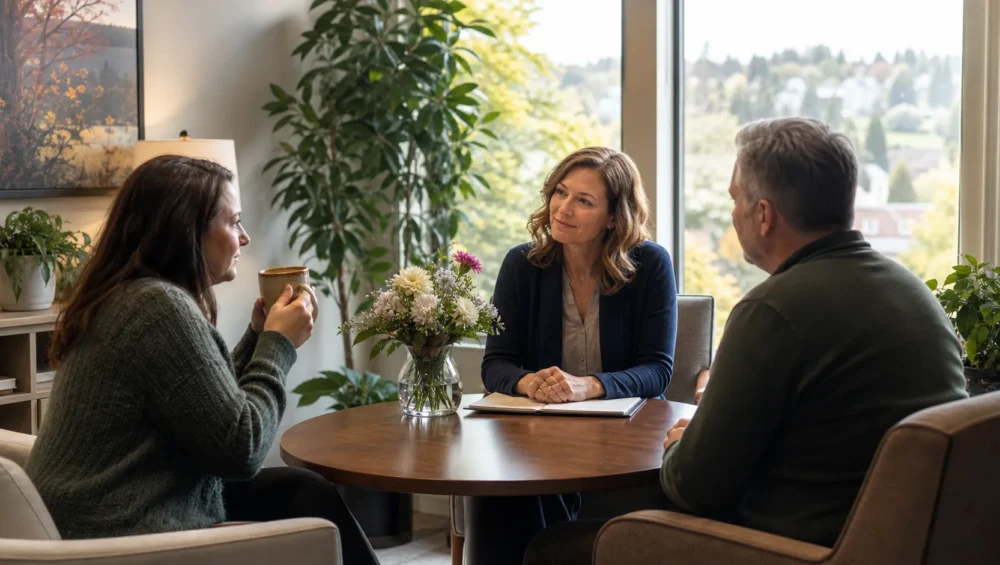
How Early Grief Support Leads to Healthier Goodbyes
Early grief counseling in Salem, Oregon, can help families say goodbye with more calm and less regret. When someone we love is very sick, it is common to wait for help until everything feels like too much. By that point, emotions are high, choices feel rushed, and goodbyes can feel chaotic instead of caring and clear.
Early grief support starts before a death happens, often when a serious diagnosis or decline suddenly makes the risk of loss feel real. With support during this time, families can talk more openly, share what matters most, and prepare for the days ahead. This kind of care can reduce regret, support clearer conversations, and make more room for meaningful time together.
At Vista River Hospice, we are a locally owned hospice provider serving people in Portland, Salem, and surrounding Oregon communities. We bring personalized medical, emotional, and spiritual care into the home, and we include support for anticipatory grief as part of our team approach.
Understanding Grief Before the Loss Happens
Grief does not wait for the funeral. It often begins the moment a serious or terminal illness is named. This is called anticipatory grief. People may feel:
- Worry about the future
- Deep sadness about what is changing
- Anger at the illness or the situation
- Guilt about past choices or time lost
These feelings can show up in everyday life. Someone caring for a loved one might:
- Have trouble falling or staying asleep
- Notice changes in appetite
- Struggle to concentrate at work or school
- Pull away from friends and activities
- Feel numb or “on autopilot” while still caregiving
Naming these reactions can be powerful. When families learn that these symptoms are common responses to serious illness, they are less likely to feel broken or ashamed. Instead of hiding their feelings, they can see them as natural signals that they need care too.
Early grief counseling helps people think ahead with more steadiness. With support, families can prepare emotionally for:
- Talking through care choices with the medical team
- Planning legacy projects, like letters or recordings
- Sharing and honoring final wishes and personal values
For many in Salem and the Willamette Valley, this early support creates a little more space between constant worry and the moments of connection they want to remember.
How Early Grief Counseling Supports Families in Salem
Grief counseling in Salem, Oregon does not have to wait until after a loved one dies. It can begin while hospice care is already happening at home. This timing allows counselors to walk alongside families during real, everyday moments of caregiving.
A counselor can help families talk about difficult topics that are easy to avoid, such as:
- How to prepare for goodbyes in a way that feels natural
- What to say or not say at the bedside
- How to share fears without overwhelming the person who is ill
Early grief counseling is also practical. Families can learn:
- Simple breathing or grounding tools for times of crisis
- Ways to communicate when people disagree about care decisions
- How to include children and teens with age-appropriate language
- How to balance being present with keeping some normal routine
Many Salem families juggle work, school, commuting, and caregiving all at once. Early counseling can be more flexible, with options that may include home visits or working closely with hospice social workers and chaplains. Planning ahead, instead of reacting only in emergencies, makes the load a little lighter.
Emotional and Physical Health Benefits of Early Support
Caring for someone with serious illness is hard on both heart and body. Prolonged stress that is not supported can show up as:
- Ongoing anxiety or a low mood
- Caregiver burnout and exhaustion
- Headaches, stomach issues, or rising blood pressure
- Trouble sleeping and constant tension
With early grief counseling, caregivers can learn to pace themselves. This might mean setting limits, asking trusted friends or community members for help, or noticing the first signs of burnout before they become a crisis. When caregivers care for their own needs, they are more able to stay present with the person they love.
The timing of support connects directly to the quality of goodbye. When family members are not always in “emergency mode,” they often have more energy for:
- Honest conversations and gentle apologies
- Sharing memories and stories
- Quiet moments of comfort, like holding hands or sitting together
Structured support can help final weeks and days feel calmer. Instead of last-minute scrambling or unresolved arguments, the focus can shift toward dignity, comfort, and connection. People may still feel deep sadness, but there can be less chaos and more sense of having done what mattered.
Seasonal Triggers, Holidays, and Life in Oregon
In Salem and across the Willamette Valley, autumn often brings gray skies, colder rain, and shorter days. For families already facing serious illness, these seasonal changes can make anticipatory grief feel heavier. Daily routines change, daylight feels limited, and quiet evenings can leave more room for worry.
Holidays and special dates can also stir up strong feelings. Times like family gatherings, anniversaries, or important cultural and faith observances may:
- Reopen past losses
- Heighten fear about an upcoming loss
- Bring pressure to “keep things normal” when nothing feels normal
Early grief counseling in Salem, Oregon can help families create a thoughtful plan for these tender times. A counselor might explore:
- Simple rituals to honor the person at home
- Ways to simplify gatherings so they are less draining
- How to set realistic expectations and say no when needed
- Ideas for quiet remembrance, such as a short walk by the river or a candlelit moment together
Local counselors and hospice teams understand the rhythm of life in Oregon, from rainy evenings to the slower pace many people choose during the colder months. With planning and support, seasonal triggers can feel more manageable and less like surprise waves that knock everyone down.
When Hospice Care and Grief Counseling Work Together
Hospice care brings together many kinds of support into one plan. At home, this often includes:
- Medical care focused on comfort and symptom relief
- Emotional support for both the patient and the family
- Spiritual care for those who want it, shaped by their own beliefs
Grief support during hospice can come from different helpers. Hospice counseling, community grief counseling, and spiritual care do not compete, they can fit side by side. A person might talk with a grief counselor about emotions, talk with a chaplain about faith questions, and work with hospice nurses and social workers on day-to-day care needs.
When hospice teams and local grief counselors in Salem coordinate early, it can reduce confusion and gaps in support. Examples include:
- Nurses letting counselors know about changes in the patient’s condition so conversations can match what is happening
- Social workers helping families find community resources, such as support groups
- Chaplains and counselors working together for those whose grief connects closely with their spiritual life
At Vista River Hospice, our locally owned team serves Portland, Salem, and nearby communities with in-home end-of-life care. By weaving anticipatory grief support into hospice services, we aim to help families feel less alone, more prepared, and more able to be present for the goodbyes that matter most.
Find Supportive Grief Care When You Need It Most
If you or someone you love is navigating loss, our team at Vista River Hospice is here to walk alongside you. Explore how our grief counseling in Salem, Oregon can provide a safe, compassionate space to process your emotions and find steady ground. We will listen, guide, and help you take the next step at a pace that feels right for you. When you are ready to talk, please contact us so we can learn how to best support your healing.