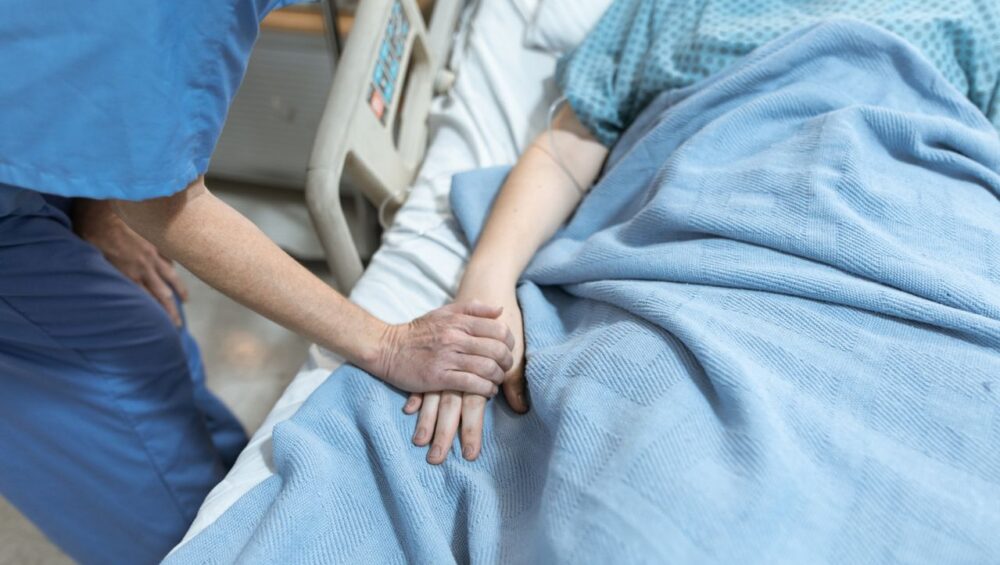
When Pain Flares Disrupt Peace at Home
When someone is on hospice care at home, most families want the same thing: calm, comfort, and time together. A sudden rush of pain can break that calm in a moment and leave everyone feeling scared and unsure of what to do next.
A “pain flare” is a spike in pain that comes on stronger or faster than usual. It can show up even when pain has been fairly controlled. At home, away from the hospital, it can feel confusing. Families often worry: Is this an emergency, did we miss a dose, are they suffering more than they are saying?
This is where hospice nursing can make a big difference. With pain management hospice in Portland and the surrounding areas, our team steps in with calm voices, clear steps, and a plan that fits real life at home. You are not expected to face pain flares by yourself.
Understanding Pain Flares in Hospice Care
Pain flares near the end of life can have many causes. They do not always mean something went “wrong.” Common triggers include:
- Disease progression or new changes in the body
- A missed dose or a delayed medication time
- Extra activity or visitors that tire the body
- Stress, worry, or changes in routine
- Seasonal factors, like heat making it harder to breathe or rest
Pain can feel very different from person to person. At home, you might hear your loved one describe:
- Sharp or stabbing pain in one spot
- Aching, heavy, or sore muscles and joints
- Burning or tingling nerve pain, often in hands, feet, or along a nerve path
- Deep bone pain that feels hard to “get away from”
There is also emotional and spiritual pain, which can look like restlessness, sadness, fear, or anger. Even if the physical pain is not worse, the full experience can feel more intense when emotions are high.
The most important thing to know is that many pain flares can be managed right at home when support comes early. Calling the hospice nurse as soon as you notice a change often helps keep small problems from becoming urgent hospital trips.
How Hospice Nurses Respond to Sudden Pain Spikes
When you call about a sudden pain flare, the hospice nurse will first focus on safety and comfort. We usually start by asking a few key questions:
- Where is the pain, and how is it different from usual?
- When did it start, and did anything happen right before it began?
- What medications have been given today, and at what times?
- Are there any new symptoms, like trouble breathing, chest pain, or confusion?
Based on your answers, the nurse will decide whether to guide you by phone or come for a home visit. Many times, small medication changes and comfort steps can begin right away while we are on the phone with you.
To help calm a pain flare, nurses may suggest:
- Adjusting the dose of current pain medicine, within the doctor’s orders
- Changing how the medicine is given, for example using liquid or under-the-tongue forms when swallowing is hard
- Shifting the timing, so doses are given a bit closer together for a short period
- Adding a short-acting medicine for “breakthrough” pain
Good pain care is not about making someone sleepy all the time. It is about finding a balance where pain is eased and your loved one can still talk, rest, and connect in the ways that matter most to them.
At the bedside, hospice nurses also support the whole family. We explain what we see, what the plan is, and what to watch for next. Knowing what to expect over the next few hours can take a lot of fear out of the moment.
Comfort Tools for Pain Management Hospice in Portland
Pain management hospice in Portland is not only about medicine. A strong comfort plan looks at the whole person and the rhythm of the home. We work with families to build a plan that includes:
- Medications and dosing schedules that match daily routines
- Pre-filled prescriptions when possible, so you are not caught without needed medicine
- Simple, written instructions that are easy to find when stress is high
- Clear directions on how to reach the on-call nurse at any time
Beyond medications, we bring other tools to help the body relax. These may include:
- Gentle massage therapy to soothe tight muscles and promote rest
- Positioning support with pillows and wedges to ease pressure points
- Careful use of heat or cold packs when appropriate
- Breathing and relaxation techniques to reduce tension
During hot summer days in the Portland and Salem Area, simple changes like cooling the room, using fans, and choosing lighter bedding can help reduce discomfort and prevent extra stress on the body.
Spiritual counselors and social workers are also part of many hospice teams. They support both patients and caregivers as they work through fears, grief, and big questions about meaning and loss. When emotional distress is heard and held, the physical experience of pain often feels less overwhelming.
Helping Families Stay Calm During Pain Flares
When pain suddenly gets worse at home, it is easy to feel panicked. You do not need to remember every detail, but a few simple steps can help both you and the nurse.
Try to notice and, if you can, write down:
- Where the pain is and what words your loved one uses to describe it
- When it started and if anything seemed to trigger it
- Which medicines were given in the last several hours
- Any other changes, like fever, breathing, or mood
While you wait for a return call or a visit, small changes in the room can help:
- Lower the lights or close curtains to create a softer space
- Limit noise and visitors so the room feels calm and quiet
- Keep the space at a comfortable temperature, using a fan or cool cloth if needed
- Speak in a low, steady voice and offer gentle, reassuring touch if it is welcomed
Above all, remember that you are a partner in care, not the only line of defense. You are not expected to “fix” the pain alone. Calling early for help is an act of love and strength, not a sign that you have failed.
Choosing Pain Management Hospice in Portland That Listens
When you are thinking about pain management hospice in Portland, it helps to look for a team that listens closely and responds quickly. You want people who:
- Take pain reports seriously and act on them
- Explain options in clear, simple language
- Respect the patient’s own goals, fears, and wishes about comfort and alertness
- Offer coordinated support from nurses, aides, counselors, and other care partners
At Vista River Hospice, we are locally owned and serve families in Portland, Salem, and nearby communities. Our focus is on in-home comfort, with nursing, home health aides, massage therapy, spiritual counseling, and bereavement support working together so care feels connected, not scattered.
Pain flares can be some of the hardest moments in hospice care. With the right team, a clear plan, and a sense that your voice matters, those moments can shift from panic to steady, caring response. No family should feel alone while trying to care for someone they love at the end of life.
Choose Comfort-Focused Pain Relief and Support Today
When pain starts to limit daily moments with the people you love, we are here to help you regain comfort and calm. At Vista River Hospice, our team provides compassionate, individualized care through our pain management hospice in Portland so you and your family can focus on meaningful time together. If you are ready to talk about what you need, simply contact us and we will walk you through your options step by step.