Finding Steady Ground After a Loss at Home
Grief can feel very close when it happens in your own home. The same rooms where you shared meals, watched TV, or heard the hospice nurse knock at the door can bring both comfort and pain. Some days the quiet feels peaceful, and other days every sound feels too loud.
When a loss happens at home in Salem, many people are surprised by how mixed their feelings are. Home can feel safe and familiar, yet small things like a favorite chair or the way the light hits the kitchen table can bring a new wave of sadness. That is where hospice bereavement services in Salem can help, offering steady support long after the last visit from the care team.
Hospice bereavement support is not just about the final days. It is about what happens after, in the weeks and months when friends go back to their routines and you are still waking up every day in the place where your loved one died. As a locally owned hospice that spends time in Salem homes, we understand how people here live, work, gather, and grieve, and we shape our care around real home life, not a one-size-fits-all plan.
What Hospice Bereavement Support Really Means
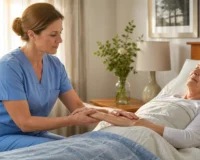
Many people think hospice care ends at the time of death. In truth, hospice bereavement services in Salem are meant to stay with families for months afterward. Support is there for spouses, partners, children, close friends, and other people who were closely involved in the person’s care.
Bereavement care can include several types of help, such as:
- One-on-one grief visits or calls with a trained bereavement specialist
- Support groups where people share with others going through loss
- Regular check-in calls to see how you are coping over time
- Memorial or remembrance gatherings
- Education about common grief reactions during the first year
These services are usually offered at no extra cost to families who received hospice care, and they are not limited to one style or belief system. Good bereavement care pays attention to each family’s emotional needs, culture, and spiritual practices. Some people want prayer. Others do not. Some want quiet education about what to expect, while others want space to talk through every detail. The goal is to meet you where you are, not to push you into a certain way of grieving.
Grieving in a Salem Home: Unique Comforts and Challenges
Staying in the same home where a loved one died can be both grounding and hard. For some, the home feels like a warm blanket, a place where memories are close and easy to reach. For others, every corner seems to hold a reminder that makes it hard to breathe.
In Salem, local routines can stir up these feelings too. Things like:
- Tending the garden that your loved one once cared for
- Sitting on the porch on a warm evening
- Hearing kids playing in the neighborhood after school
- Passing by favorite parks, coffee shops, or walking paths
These everyday moments can pull you back into both happy and painful memories. Hospice bereavement teams understand this push and pull. They help families think about how to gently reshape their space and routines. That might include:
- Creating a simple memory area with photos or a candle
- Talking through what to keep, what to pass on, and when to decide
- Helping set new daily habits that honor the person but also create room for your own life
Because local hospice teams live and work in the same area, they also understand the rhythms of Salem life. They know how school breaks, local events, and even the long light of summer evenings can affect grief. This helps them time support in a way that fits what families are actually facing at home.
How Vista River Supports Families After the Funeral
At Vista River Hospice, we see bereavement support as part of the whole picture, not an extra add-on. We begin talking about grief while the person is still alive, in a gentle way. This helps families know what to expect and reminds them that care does not stop when the medical visits end.
After a death at home, our support can include:
- Scheduled follow-up calls to check on how family members are doing
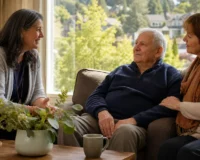
- In-home or in-person visits for those who want a quieter, private space to talk
- Grief education materials that explain common reactions, sleep changes, and mood shifts
- Support focused on caregivers who may feel empty or unsure of their role now
- Referrals to trusted therapists, counselors, faith communities, and community groups in the Salem area
Our team works together so families are not left trying to piece everything together on their own. Nurses, social workers, chaplains, and volunteers share what they have learned about each family’s story. This helps us offer care that feels steady and connected instead of scattered. For example, if a nurse hears a spouse worrying about what life will look like next month, that concern can be passed along to the bereavement team so it can be addressed with care later.
Choosing the Right Bereavement Partner in Salem
Not all hospice bereavement programs are the same, and it is okay to ask questions. When families in Salem are looking at different options, some helpful things to ask include:
- How long do your bereavement services last after a death?
- Do you offer home visits, or only phone calls and groups?
- What support do you have for children or teens?
- Are there options for people who are not religious?
- How do you stay in touch over time?
Many people also value working with a hospice that is locally owned and rooted in the Salem community. Local teams often have strong connections with area providers, support groups, and faith communities, and they tend to know the small but important details of life in the region.
To get a feel for whether a hospice is a good fit, families can:
- Talk with neighbors, friends, or local providers about their experiences
- Read general feedback and pay attention to how the hospice responds to concerns
- Call to ask direct questions and see how staff speak about grief and family needs
Trust your sense of whether the team listens, respects your values, and explains things in clear, kind language.
Taking the First Step Toward Gentle Support at Home
There is no set clock on grief. Some people ask for bereavement help right away, while others wait weeks or months before they feel ready. Both are okay. What matters is knowing that support is still there, even if some time has passed since the funeral.
For families in Salem and nearby communities, gentle, at-home support can make the house feel a little less heavy. Even one honest conversation about what mornings are like now, or how strange it feels to cook for one less person, can bring a sense of relief. Sharing that load with someone who understands home-based hospice care can help you feel less alone in your own space.
Taking a small step, like asking a question, writing down your worries, or telling a trusted person that you might need more support, can open the door to the next right thing for you and your family. You do not have to carry every part of this grief by yourself in your Salem home.
Find Compassionate Support for Your Grief Journey
If you or someone you love is coping with a loss, our team at Vista River Hospice is here to walk beside you with compassionate care and practical guidance. Learn how our hospice bereavement services in Salem can provide counseling, resources, and a safe place to process your grief. We will listen to your story, help you find the right support, and tailor services to your unique needs. When you are ready, please contact us so we can support you through this difficult time.