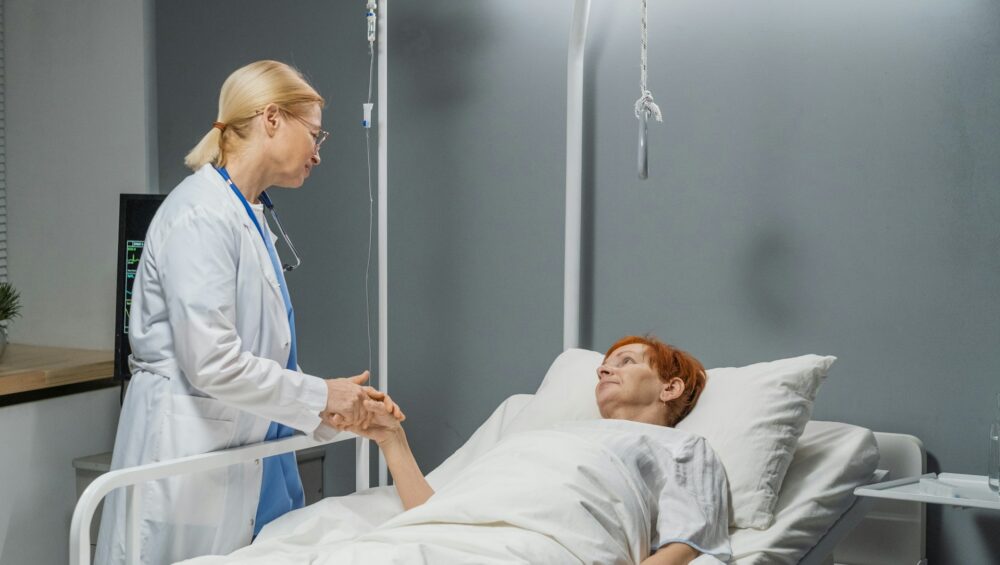
Welcoming hospice nurses into your home is a big step. It can bring relief, but it can also bring a lot of questions and mixed feelings. When hospice care begins, many families in Portland, Salem, and nearby communities are not sure what to expect or what to ask first.
Asking clear, honest questions helps everyone. It gives you more confidence, helps your hospice team understand what matters most to you, and builds trust over time. Hospice nursing in Portland, Oregon works best when patients, families, and the care team work together to plan comfort, safety, and daily routines at home.
Start Compassionate Conversations at Home
It can feel strange at first to have nurses and other caregivers coming in and out of your living room or bedroom. You might worry about saying the wrong thing or not knowing enough about medical care. That is completely normal.
Instead of trying to know everything, focus on starting caring, simple conversations. Some helpful tips are:
- Keep a small notebook or notes app where you can write questions as they come up
- Ask one or two questions at each visit rather than trying to cover everything at once
- Let the nurse know if you are feeling nervous or confused
When hospice nurses visit your Portland or Salem home, they are not there to take over or rush you. They are there to work with you. You are part of the care team, and your questions and feelings matter.
Clarify Roles and What Hospice Nurses Actually Do
One of the first things to ask is, “What will you be doing during each visit?” This helps take away some of the mystery and worry. Your nurse can explain what they look at, what they listen for, and how they check on comfort and safety.
You might also ask:
- “Who is on our care team and how do you coordinate with them?”
- “How often will you visit and can this change?”
These questions help you understand how nurses work with:
- Certified nursing assistants who help with bathing and personal care
- Social workers who support emotional and practical needs
- Spiritual care providers who offer spiritual and cultural support
- Volunteers who may help with companionship and simple tasks
In a whole-person care model, like the one we use, the nurse is often the main point of contact. They help bring the whole team together and keep everyone informed. Visit frequency can change over time, especially as needs grow or symptoms shift. Asking about this upfront can give your family peace of mind.
Understand Pain and Symptom Management Plans
Comfort is usually one of the biggest concerns when hospice care begins. A helpful question to start with is, “What is your approach to managing pain and anxiety?” This opens the door for your nurse to explain how they build an individualized plan for your loved one.
You can also ask:
- “What side effects should we watch for with these medications?”
- “How quickly can you respond if symptoms worsen?”
Listen for clear, simple answers about:
- How often medications can be given
- What changes in alertness, appetite, or breathing are expected
- Which changes are a sign to call for help
It is important to ask about evenings, weekends, and holidays too. Pain and other symptoms do not follow a schedule, so knowing what to do and who to call helps you feel less alone if something changes suddenly.
Plan for Daily Care Routines in the Home
Daily care at home can feel physically and emotionally hard, especially as your loved one becomes weaker. A good question to ask early is, “How can we safely help with bathing, transfers, and repositioning?” Your nurse can show you simple ways to:
- Prevent falls during walks to the bathroom or chair
- Avoid back strain when helping someone move in bed
- Reduce the risk of pressure sores on heels, hips, and shoulders
You can also ask, “What equipment do we need and does hospice arrange it?” Many families feel relief when they learn that things like hospital beds, bedside commodes, or walkers can be ordered and delivered to the home. Your nurse can explain what is helpful now and what might be needed later.
Since family routines often change as the weeks go by, it can help to ask, “What should we expect to change in the coming weeks?” This might include:
- Changes in mobility, such as needing more help to stand or walk
- Shifts in appetite, eating less or choosing softer foods
- Different sleep patterns, like longer naps or lighter sleep at night
- Changes in how much your loved one talks or responds
Talking about these changes early gives you time to plan, even when schedules are busy or relatives are visiting from out of town.
Support for Emotional, Spiritual, and Family Needs
Hospice care is not only about medical needs. It is also about the heart of your family. A helpful question is, “How do you support our whole family, not just the patient?” This lets your nurse explain what kind of emotional support and education is available for caregivers and loved ones.
You might also ask:
- “What spiritual or cultural support do you offer?”
- “How will you help us prepare for the final days?”
Support can include:
- Spiritual care visits, whether or not you are part of a faith community
- Space for prayer, quiet reflection, or cultural rituals that matter to you
- Guidance on talking with children or teens about serious illness
- Gentle education about what usually happens as the body slows down
When you ask about the final days, you give your hospice team a chance to prepare you in a calm and caring way. They can explain common signs that the end of life may be near, how they plan to protect comfort and privacy, and how they will be present for you during that time.
Communication, Safety, and Advocacy in Oregon Homes
Clear communication helps everyone feel safer. One of the most important questions to ask is, “Who do we call first with questions or emergencies?” Be sure you understand:
- The main phone number to call any time of day or night
- How quickly someone usually calls back
- When a nurse can come out for an urgent visit
You can also ask, “How do you keep us updated and involved in decisions?” Many families appreciate regular check-ins, care conferences, or simple phone calls. Hospice nursing in Portland, Oregon is meant to be shared decision-making, not something that happens to you without your input.
Finally, ask, “How do you honor our values and preferences?” This is your chance to talk about:
- Where your loved one wants to receive care
- Who they want around them and who they do not
- Any cultural or family traditions that are important at the end of life
When your care team understands what matters most to your family, they can better protect your loved one’s dignity and comfort.
As a locally owned hospice serving Portland, Salem, and surrounding Oregon communities, we know that every home and every family is different. Keeping a list of questions ready can help you feel more settled when hospice nurses first start visiting. Hospice works best as a partnership, and thoughtful questions are one of the kindest tools you can bring to that shared work.
Find Compassionate Hospice Support When It Matters Most
If you or someone you love is ready for the comfort and dignity that specialized care provides, we are here to help you take the next step. Our team at Vista River Hospice offers experienced hospice nursing in Portland, Oregon tailored to your family’s needs and preferences. We will walk you through your options, answer questions, and help you decide what feels right. To start a conversation with our team, please contact us today.