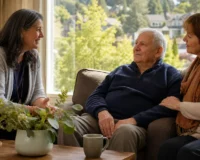
Comfort-Focused Care for Salem Families at Home
Hospice pain management in Salem is about one main goal: helping people with serious illness feel as comfortable as possible at home. It means watching for pain, easing symptoms, and supporting the whole family so days can feel calmer and more meaningful. For many families, that comfort matters most in the place that feels safest, like a long-loved house, an apartment, or an adult-care home.
As days get lighter and neighbors start to enjoy porches, gardens, and local parks, families often notice changes in a loved one more clearly. A person who used to enjoy sitting outside may now stay in bed. A simple walk to the kitchen may bring more effort or shortness of breath. These moments can be heavy for everyone.
Recognizing when specialized pain support is needed can help shift this season from worry to a little more peace. When pain is better controlled, families often find there is more room for conversations, shared meals, and quiet time together. Local hospice teams can help you understand what is happening and what kind of care might bring real relief.
As a locally owned provider serving Portland, Salem, and nearby communities, we understand the feel of Salem homes, local clinics, and community values. We work with families and local doctors to help them make timely, informed choices about comfort-focused care at home.
Early Signs Your Loved One Needs Pain Support
Pain is not always easy to see. Some people speak up the moment something hurts. Others stay quiet and try to be “tough,” even when they are struggling. At home, small changes in daily habits can be some of the first hints that pain is not well controlled.
You may notice behavioral changes, such as:
- Pulling back from family gatherings or skipping simple outings
- Saying no to sitting outside, gardening, or short walks they used to enjoy
- Irritability or snapping at loved ones over small issues
- Sleeping much more or having trouble staying asleep
Physical signs can also point to growing pain or discomfort, even when a person does not have the words for it. Common signs include:
- Grimacing, frowning, or tightening the jaw when moving
- Guarding a certain area, like holding the side or avoiding using one arm or leg
- Labored breathing, sighing, or shallow breaths at rest
- Changes in appetite, such as eating very little or losing interest in favorite foods
- New restlessness at night, like frequent shifting, calling out, or trouble settling
Pain is not only physical. Emotional and spiritual pain can show up as:
- Increased anxiety or nervousness, especially about the future
- More frequent comments about being “tired of hurting” or “worn out”
- Expressions of fear about dying or about being a burden
- Sadness or withdrawal from spiritual or cultural practices that once mattered
If you live in Salem or nearby and notice several of these changes, it is reasonable to trust your observations. You do not need to wait until there is a crisis. Bringing your concerns to a nurse or primary care provider early often opens the door to help before things get harder.
How Hospice Pain Management in Salem Works at Home
Hospice pain management in Salem usually takes place right where your loved one lives. That might be a private home, an adult care home, or an assisted living setting. The goal is to bring the care to them, instead of moving them to a hospital whenever something changes.
Here is how support commonly looks:
- Regular nurse visits to check pain, symptoms, and overall comfort
- On-call support for urgent questions, often available at all hours
- Ongoing updates to the broader care team about any changes
Nurses use simple questions and pain scales, like “On a scale from 0 to 10, how bad is your pain?” They may also watch how a person moves, sits, or lies down. Based on what they see and hear, they work with the hospice medical team to create a medication plan that aims to:
- Ease pain and breathlessness
- Limit side effects when possible
- Keep the person as awake and present as they wish, especially for family time
Medication is only one part of care. Non-medication approaches at home might include:
- Repositioning in bed or in a favorite chair to relieve pressure
- Supportive cushions, pillows, or wedges to protect sore areas
- Warm or cool packs for aching joints or tense muscles
- Calm evening routines, like dim lights, soft voices, and fewer interruptions
- Teaching caregivers safer ways to help with walking, turning, and bathing
Because we are local, we coordinate with Salem-area physicians and pharmacists to help arrange medication delivery, refills, and changes when pain patterns shift. This kind of teamwork can reduce last-minute scrambles and late-night trips to the pharmacy.
Comfort Therapies and Emotional Support Beyond Medication
Good pain management looks at the whole person, not just a list of symptoms. Alongside nursing care, there are other supports that may ease both body and mind.
Depending on what is right for each person, comfort therapies through hospice may include:
- Gentle massage to relax tense muscles
- Music or calming sounds to soften anxiety
- Simple relaxation or breathing techniques
- Suggestions for lighting, noise, and room setup to create a soothing space
Longer, brighter days can be a chance to think about what truly brings comfort. For some people, that might be sitting near an open window to feel the breeze. For others, it might be a favorite playlist, a cherished blanket, or a familiar pet nearby.
Social workers and chaplains can help with emotional and spiritual pain. They:
- Listen as people share fears, regrets, or questions
- Support family talks about hard topics that have been put off
- Help honor spiritual, cultural, or personal traditions
- Offer coping ideas for caregivers who feel worn down or worried
Volunteers from Salem and surrounding communities also play a special role. They may:
- Offer quiet companionship or conversation
- Read aloud, play soft music, or simply sit nearby
- Give caregivers a short break to go outside, run an errand, or rest
All of these supports are aimed at preserving dignity and honoring what matters most. For some families, that could mean helping a loved one still enjoy time on the porch, in the garden, or by a sunny window, even if only for short visits.
Working with Vista River Hospice as a Local Partner
When families first connect with Vista River Hospice, the conversation usually starts with listening. We ask about your loved one’s story, what daily life looks like now, and what worries you most. We pay close attention to current pain concerns and what has already been tried.
Many people think hospice means giving up, but that is not how we see it. Hospice focuses on:
- Comfort and symptom relief
- Quality of life at home
- Support for both the patient and the family
We work with families in Salem, Keizer, and nearby communities to build a care plan that fits:
- The person’s diagnosis and current health
- All current medications and treatments
- Family hopes and goals, such as quiet time or special visits
- Cultural and spiritual needs and practices
- The layout and daily routines of the home
Hospice pain management in Salem is often covered by Medicare, Medicaid, and many private insurance plans. For families already under stress, this can ease some of the worry about adding extra care.
Steps You Can Take This Week to Ease Home Comfort
If you are starting to wonder whether it is time for hospice support, there are simple steps you can take this week to get clearer.
Try this short checklist:
- Track pain patterns for a few days, including time of day and what your loved one is doing
- Write down all current medications and when they are given
- Note any activities that seem to make pain better or worse
- List your questions and worries so you do not forget them in the moment
Involving the wider family can also help, especially if adult children are visiting during late spring or early summer. When everyone hears the same information and understands the goals of care, it often reduces conflict and confusion later.
Seeking help for pain is an act of care, not a sign of failure. With thoughtful, local support from a hospice team that knows Salem and the surrounding communities, families can move through this season with more comfort, clarity, and time to be together.
Find Comfort-Focused Pain Relief for Your Loved One
If your family is facing serious illness, we are here to guide you through compassionate options for hospice pain management in Salem tailored to your loved one’s needs. Our team at Vista River Hospice takes time to listen, explain choices clearly, and adjust care as symptoms change. Reach out so we can help you create a plan that prioritizes comfort, dignity, and peace of mind. You can contact us today to talk with a nurse about next steps.