Gentle Comfort That Complements Medical Care
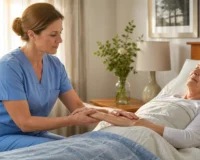
Hospice massage therapy can offer a quiet kind of comfort when days feel long and bodies feel tired. For many people in hospice care, pain, anxiety, and trouble sleeping tend to show up more often, especially when the weather is cool and damp. Gentle touch can help the body release some of that tension so the mind can rest a bit more easily.
In hospice, massage is never a stand-alone service. It is one part of a bigger plan that includes nursing care, medications, social work, spiritual support, and volunteers. Every visit is shaped around the patient’s goals, what feels good that day, and what is safe for their medical situation.
In this article, we will share how hospice teams decide when massage therapy might help, how they keep it safe, and how they line up each session with nursing visits and medication plans. We will also talk about how spiritual care and volunteers add to the comfort that touch can bring.
When Hospice Teams Recommend Massage Therapy
Hospice teams watch closely for signs that a patient might benefit from massage. Nurses and social workers are often the first to notice small changes during regular visits. They may see that a person is clenching their jaw, gripping the bed rails, or guarding certain areas of the body.
Common signs that massage might be helpful include:
- Tight or rigid muscles
- Restlessness or trouble getting comfortable in bed or a chair
- Difficulty falling asleep or staying asleep
- Tearfulness, worry, or emotional overload
Inside the hospice team, anyone can suggest massage. A nurse might bring it up after a few weeks of seeing ongoing muscle tension. A social worker might notice that a patient relaxes when their hand is gently held and suggest a massage referral. Families often ask for non-drug comfort options, especially when they hope to limit extra medications.
Once someone brings up the idea, the hospice physician reviews the chart and approves massage if it appears medically safe. The team then talks with the patient and family about:
- What kind of touch feels comfortable or uncomfortable
- Preferred areas, such as feet, hands, shoulders, or scalp
- Cultural or faith traditions around touch and privacy
- Any past experiences, good or bad, with massage or bodywork
In places like Portland and Salem, seasonal dampness can make joints feel stiff and heavy. Many local families also value natural, gentle options that support comfort alongside medications, not instead of them. Hospice massage fits well with those values when it is planned carefully with the full team.
Safety First: Screening Before Any Massage Session
Safety always comes before relaxation. Before any hospice massage therapy in Oregon starts, the massage therapist and nurse look closely at the patient’s current condition. This screening helps them decide what kind of touch is safe that day and what should be avoided.
The team checks for medical red flags such as:
- History or risk of blood clots
- Very fragile or thinning skin
- Recent falls, fractures, or surgeries
- Open wounds, bedsores, or skin infections
- Sudden, unexplained, or severe pain
The massage therapist reviews the chart and talks with the nurse before the visit. They look at diagnoses, like heart or lung disease, advanced cancer, or neurological conditions. They also confirm medications, especially blood thinners, steroids, or pain pumps, and any movement limits such as “no lifting arms above shoulder level.”
Touch is then adapted for safety. That can mean:
- Shorter sessions, often 15 to 30 minutes instead of a full hour
- Lighter, soothing pressure instead of deep work
- Avoiding areas with lines, tubes, or delicate skin
- Staying with hands, feet, or scalp if the rest of the body is too sore
Consent is not a one-time checkbox. The therapist checks in often: “Is this pressure OK?” “Would you like to stop or change positions?” If the patient shows any discomfort, even without words, the therapist adjusts or ends the session. Comfort guides every choice.
Aligning Massage with Nursing Visits and Medication Timing
A peaceful day in hospice care is often about timing. Too many visitors in a short time can be draining, even when everyone means well. That is why nurses, aides, and massage therapists work together on scheduling.
The team looks at:
- Regular nursing visits
- Aide visits for bathing and personal care
- Spiritual care or social work visits
- Family routines, such as favorite TV shows or meal times
Massage is then placed where it fits best. For some people, that might be late morning, when pain medication has started working and they feel more relaxed. For others, evening can help with sleep.
Medication timing is a big part of planning. Sometimes, massage is scheduled shortly after a pain or anxiety dose so the body can relax more fully. Other times, the team might try a massage before changing a medication dose, to see how much comfort touch alone provides and what still needs extra help.
After each session, the massage therapist shares feedback with the nurse, such as:
- Any new or different pain the patient reported
- Changes in breathing or body tension
- Signs of agitation or deep relaxation
- How well the patient tolerated touch and position changes
This information can help the hospice physician and nurse adjust pain plans, repositioning strategies, or even the schedule of visits. Massage becomes another way to “check in” with the body and fine-tune care.
Integrating Spiritual Support and Volunteer Companionship
Comfort in hospice is not only physical. Emotions, memories, and spiritual questions often come closer to the surface, especially around spring holidays or special dates that hold meaning for the family. Massage can provide a quiet backdrop for those deeper conversations.
Chaplains and spiritual counselors may plan their visits near massage sessions. Sometimes they arrive just after a session, when the patient is calm and open to talking about hopes, fears, or gratitude. Other times, they might be present nearby while the massage happens, offering gentle words or silence as the patient prefers.
Trained volunteers also add to this circle of care. While they do not provide clinical massage, they can extend that sense of soothing presence on days when the massage therapist is not scheduled. Volunteers may offer:
- Gentle hand-holding or a light touch on the shoulder, with permission
- Soft music, reading aloud, or quiet prayer if requested
- Simple comfort items like warm blankets or a favorite pillow
- A steady, calm presence so family members can rest
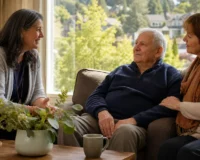
This team approach can help families in Oregon feel less alone. There is a shared sense that comfort is everyone’s job, not just the nurse’s or doctor’s. Massage, spiritual care, and volunteers weave together to support both the patient and the people who love them.
How Vista River Hospice Coordinates Massage for Your Family
At Vista River Hospice, we view hospice massage therapy in Oregon as one piece of a larger circle of care. We work to blend massage with nursing, medication plans, social work, spiritual care, and volunteer support so that each visit makes sense in the rhythm of the patient’s day. Our goal is to support comfort, not just with medicines and equipment, but also with warm, respectful touch and presence.
Families are encouraged to bring their questions forward. We welcome conversations about whether massage is right for a loved one, what safety steps we follow, and how sessions can reflect personal values, cultural traditions, and daily routines. When massage is thoughtfully coordinated with the rest of the hospice team, it can become a gentle, steady source of ease and connection in the time that remains.
Support Comfort and Connection in This Stage of Life
If you feel your loved one could benefit from gentle, skilled touch, we invite you to explore how our hospice massage therapy in Oregon can fit into their care plan. At Vista River Hospice, we work closely with families to understand each person’s needs, preferences, and goals for comfort. Our team can answer your questions, outline next steps, and coordinate with existing care providers. To start a conversation about support for you and your family, please contact us.